The Strike That Changes Nothing: Why US Action Against Iran Feels Like a Dangerous Loop

The Strike That Changes Nothing: Why US Action Against Iran Feels Like a Dangerous Loop

By:Alistair Kroon – SeaPRwire – Escalation in the Strait of Hormuz now carries immediate costs for everyone involved. Merchant ships face direct threats. Energy routes hang in the balance. Retaliation cycles accelerate without clear off-ramps. The latest US strikes on Iran highlight exactly this tension. They deliver tactical hits yet risk locking both sides into prolonged confrontation. US Central Command announced the operation on social media on July 7 local time. They stated the strikes hit more than 80 targets. These included Iranian air defense systems, command and control networks, coastal radar sites, and anti-ship missile capabilities. Forces also targeted over 60 small fast boats belonging to the Iranian Islamic Revolutionary Guard Corps. The action came as retaliation for Iran’s earlier attacks on merchant ships near the Strait of Hormuz. Iranian media reported explosions heard on July 8 in the port city of Bandar Abbas, Siri, and Qeshm Island. The US move aimed to degrade specific capabilities. Air defenses and coastal radars limit freedom of movement in key waters. Command networks coordinate responses. Anti-ship missiles and fast boats threaten commercial traffic. The announcement framed the strikes as complete. No further details on damage assessment appeared in the public statement. Any serious player in the region now weighs the price of continued exchanges. Each round of strikes raises the stakes for shipping insurance, oil flow stability, and military readiness. Short-term disruption to Iranian assets may buy time for safer passages. Yet it also invites further responses that could close the strait or expand targets. The pattern shows no easy exit. Decision makers on all sides should review current exposure in supply chains that rely on Hormuz passage. Map alternative routes early. Strengthen coordination with naval escorts where possible. These steps reduce immediate vulnerability while larger talks remain stalled. Focus there delivers more durable protection than waiting for the next announcement. Author bio:Alistair Kroon, senior researcher at a European independent strategic think tank specializing in security dynamics and regional conflict analysis.


Why Correctional Business Owners Keep Getting Trapped by Their Own Success

Why Correctional Business Owners Keep Getting Trapped by Their Own Success

By: Robert Sterling  – SeaPRwire – Business owners in the correctional construction and detention space pour decades into building solid companies. They handle tough projects, manage complex risks, and create real enterprise value. Yet many reach a point where that success starts to feel like a cage. Personal guarantees pile up. Family plans stay vague. And when a liquidity event finally appears, the options have already narrowed. Darrick Hutchens and Monon Wealth Management just put a name to this problem with The Optionality Framework. It targets exactly where traditional advice falls short. The framework draws from more than twenty years of direct work with owners in this industry. Hutchens, a CFP and managing partner at Monon Wealth Management, saw the pattern repeat. Advisors usually show up after a deal closes or a crisis hits. By then the big decisions sit behind the owners. The Optionality Framework pushes those choices forward. It treats enterprise value, succession planning, personal guarantees, tax strategy, estate planning, and personal wealth as one connected system. Owners learn to coordinate them early instead of letting events dictate the terms. Monon introduced it through a five-part series in Correctional News. The pieces started in late 2025 and run through 2026. Titles include The Detention Owner’s Fork in the Road, The Corporate Shield, Bringing the Team With You, After the Liquidity Event, and Beyond the Transaction. Each stage maps a practical path. Direction helps owners pick the right exit path based on personal goals and timing. Protection focuses on building a corporate shield to reduce concentrated risk and safeguard personal balance sheets long before any sale. Execution aligns attorneys, CPAs, surety professionals, insurance advisors, and wealth managers around the same blueprint. Capital prepares owners for the discipline test that follows a big liquidity event. Continuity guides stewardship and family legacy after ownership changes. Hutchens put it plainly. Many owners build valuable companies but lack a coordinated way to turn that success into lasting personal wealth and freedom. The framework expands choices at every step. This approach arrives at a busy time. Valuations sit higher. Tax rules keep shifting. Succession feels harder. Labor shortages and supply chain issues add pressure. Capital markets move unpredictably. Owners who succeeded in the correctional sector now face a new layer of complexity. The Virtual Family Office model at Monon Wealth Management ties investment strategy together with the other advisors. It keeps enterprise decisions and personal plans aligned. The principles started inside the correctional construction and detention world but reach any entrepreneur dealing with intertwined business and personal finances. Instead of reacting to narrowed options, owners can act from strength. They protect resilience. They keep more doors open for whatever comes next. Owners who want to test this thinking should map their current risks against the five stages. Start with protection and execution. Those two steps deliver quick clarity on where personal exposure sits and whether the advisor team actually shares one plan. Small moves there create breathing room before the next big decision arrives. Author bio: Robert Sterling, veteran financial commentator who has covered executive decision-making and wealth transitions at scale for over fifteen years.


GoWish’s US Gambit: Heavy Losses Today for Dominance Tomorrow in Social Shopping

GoWish’s US Gambit: Heavy Losses Today for Dominance Tomorrow in Social Shopping

By: Alex Mercer  – SeaPRwire – GoWish faces the classic European tech trap. Breaking into America sounds exciting on paper. Reality delivers brutal competition, high user acquisition costs, and skeptical consumers. The Danish platform just doubled down anyway. Half its 18 million registered users now come from the United States. That number exceeds 9 million. Few European consumer apps achieve anything close. The company accepts short-term pain for long-term positioning. Its 2025 results show red ink. Growth investments keep flowing. The numbers tell a clear story. GoWish published its 2025 Annual Report on July 7, 2026. It rolled out a refreshed logo, new typography, and customizable color themes. Users can now personalize their wishlists more deeply. The updated UX spans the app, website, and full platform. Mads Dahlerup, CEO and Co-Founder, explained the thinking. Wishlists reveal personal dreams. The new design makes the experience feel owned by each user. It also simplifies navigation and adds inspiration. This represents one of the largest investments since the international push began in 2023. The company spent DKK 29.2 million on platform development in 2025 alone. Gross profit rose to DKK 72.5 million from DKK 70.1 million the year before. Yet the bottom line flipped to a DKK 6.2 million loss compared with a DKK 11.0 million profit in 2024. Staff now exceeds 100 people. These choices prioritize product over immediate returns. A new Global Commerce Media division and “Wish Signals” tool aim to connect brands with real purchase intent from wishlists. Partnerships grow as brands seek better consumer data. The moves create a tighter business loop. Stronger UX and visual identity improve retention across devices. That foundation supports faster feature releases. Personalization draws users deeper. More engaged users generate richer signals for partners. International brands gain clearer views of what people actually want. The US market drives most of this momentum. GoWish ranked among top downloaded apps on the US App Store at times during 2025. Rich Waterworth, Chairman of the Board and former TikTok EMEA General Manager, backs the strategy. He joined in 2025. The board favors long-term bets over quick profits. GoWish started as Ønskeskyen under Denmark’s PostNord. It became independent and now serves over 18 million users globally. The platform removes gifting friction. No more duplicate gifts or unwanted returns. Smart, social discovery replaces random scrolling. Every wishlist interaction builds toward stronger consumer-brand connections. The investments in AI and UX should accelerate this cycle. US users already form the core base. Sustained execution could turn those signals into a defensible commerce network. European platforms rarely sustain US traction. GoWish shows product discipline and market fit matter more than origin. The endgame looks like deeper platform lock-in. Brands pay for premium insights. Users stay because the experience feels personal. Data flows improve recommendations and partnerships. If the US growth holds, GoWish carves out rare territory for a European player. Execution risks remain. Competition from big tech shopping tools never sleeps. Yet the current trajectory suggests calculated ambition over blind expansion. Focus on what users save and share will decide the winners. Author bio: Alex Mercer, senior commentator for leading international tech publications with over 15 years covering platform strategies and consumer apps.


The Tech Rally’s Breaking Point: Why This US Sell-Off Feels Different This Time

The Tech Rally’s Breaking Point: Why This US Sell-Off Feels Different This Time

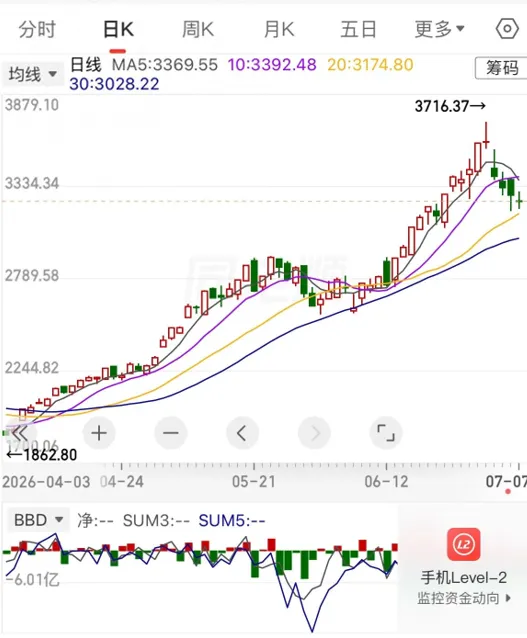
By: TechVanguard  – SeaPRwire – Holders of tech stocks woke up to real pain. US markets dropped hard overnight. The Philadelphia Semiconductor Index plunged more than 7 percent at one point. Major names got hammered. Micron Technology fell close to 9 percent. Sandisk dropped over 13 percent intraday. Intel slid nearly 10 percent. Western Digital gave up more than 8 percent. These are the exact companies that A-share investors watch daily for cues in chips and storage. The entire sector looked like a crash scene. Green everywhere on the screen. No single stock issue caused it. The whole group sold off together. Many investors who checked before bed probably lost sleep. This drop did not come out of nowhere. The sector had already weakened over the past week. Sandisk fell more than 30 percent from its recent high in just a few days. Intel pulled back over 20 percent from its peak. Morgan Stanley’s chief strategist publicly noted that the time for sector rotation had arrived. Investors should reduce semiconductor exposure and move elsewhere. The AI-driven rally that ran for much of the year relied on high expectations and loose liquidity. Prices ran far ahead of actual earnings delivery. Concerns grew about the sustainability of long-term AI infrastructure spending. Money started taking profits fast once sentiment shifted. Those who claimed tech enjoyed a permanent bull market now face the harsh reversal. Drops hit harder when consensus changes. A-shares felt the pressure too. Tuesday already looked rough. The Shanghai Index broke below the widely watched 4000-point support level. It touched a low of 3971 points and never recovered the line. Many accounts lost three to five percent in one day. Hopes rested on stable US markets overnight to allow some recovery on Wednesday. Instead the tech rout arrived. A low open on Wednesday seemed almost certain. On Tuesday itself the electronic index fell only 0.4 percent. Some called it resilient. In reality large-cap weights propped up the index. Smaller tech names suffered badly. Many hit new lows during the session. This created an illusion of stability. It looked like a bottom might form soon. Institutions appeared to use the steady index to lure in dip buyers. Retail investors chasing bargains or averaging down often stepped into the trap. They provided liquidity while bigger players distributed shares quietly. Once selling resumed the decline could accelerate. The broader picture points to a stage top. The tech rally that began earlier this year produced gains of 100 percent, 200 percent, or even more for many names. Profit-taking pressure built up heavily. Markets now operate on existing capital with little fresh money entering. Any external shock prompts quick exits. Recent internal differentiation grew clear. Institutions focused on a few core names with actual results. Most small and mid-cap concept stocks saw steady outflows. Their price centers moved lower. Former leaders broke key levels. Follow-on names declined without limit. Hot spots rotated daily without staying power. These patterns mark the late phase of a move. Global conditions also shifted. The US tech advance rested on AI hype plus easy money. After nearly a year of rising expectations markets began questioning valuations. Leading companies sold off with heavy volume. Wall Street firms started advising reduced exposure. This signals the start of a valuation reset. A-shares cannot stay immune. Short-term reactions matter. A sharp low open and probe lower on Wednesday may occur. It could test or break the 3950-point area that many view as critical support. Panic selling at the open is not the answer. Conditions instead suggest a potential intraday bottoming and recovery bounce. Such a move would count as technical repair inside an ongoing downtrend. It would not mark a full reversal. Strength should stay limited. High-level pure concept stocks that multiplied several times earlier now face resistance. Any bounce offers a chance to reduce positions. Avoid turning sales into fresh buys. Those already heavy should trim rather than add on weakness. Averaging down in a clear downtrend increases risk. Investors with genuine long-term conviction in AI, semiconductors, storage, or computing power need patience. Wait for the adjustment to run its course. Look for stabilization after profit-taking clears and valuations reset. Core names with real earnings support will offer better entry points later. Market cycles repeat these phases. Rapid rises create thick layers of gains that must unwind. Sentiment swings from euphoria to doubt. The current environment shows more doubt. External weakness from US markets adds pressure. Domestic liquidity remains contained. The combination favors caution over aggression. Experienced traders recall similar moments when rallies paused. Those who locked in profits early kept gains. Those who chased highs or ignored warnings faced larger drawdowns. The difference often comes down to timing and discipline. No one needs to predict the exact bottom. Recognizing the shift in character already helps. Focus on position sizing. Protect capital first. Opportunities return when conditions improve. For now the priority stays on managing the exposed side of the portfolio. Decisions this week will matter. A measured approach during the expected low and bounce can preserve flexibility. Overreaction either way creates mistakes. Stick to the evidence in price action and volume. The recent session patterns and overnight moves align with distribution. That does not mean the end of innovation themes. It does mean the easy money phase has likely passed. Adjust tactics accordingly. Author bio: TechVanguard, senior commentator for leading international tech publications with over 15 years covering platform strategies and market cycles.


FIFA’s Controversial Call Fuels Belgium’s Fire: How One Decision Helped Knock Out the Hosts

FIFA’s Controversial Call Fuels Belgium’s Fire: How One Decision Helped Knock Out the Hosts

By: Marcus Sterling  – SeaPRwire – A red card should end a player’s tournament run. Not this time. FIFA’s decision to let U.S. forward Balogun play after his sending-off created instant tension. Belgium’s squad turned that tension into motivation. They delivered a clear message on the pitch. Belgium defeated the United States 4-1 in the round of 16 at the 2026 World Cup. The match took place on July 7, Beijing time. Belgium advanced to the quarterfinals. The result eliminated one of the host nations. All three host teams from the United States, Canada, and Mexico are now out after this round. Belgium captain Tielemans spoke after the game. He revealed the squad held a team meeting once they learned of FIFA’s ruling on Balogun. The decision allowed the player, who received a red card in the previous round, to start against them. Tielemans said the team resolved to respond with their performance. They told themselves to let actions on the field speak. The players felt proud of what they achieved that day. Tielemans described their approach. The team played with great determination. They wanted a strong start, something missing earlier in the tournament. They knew pressure would force mistakes from the U.S. side. That plan worked. Balogun started but did not score. The American attack could not turn the controversy into an advantage. The ruling stands out in World Cup history. Balogun became the first player since the introduction of red and yellow cards in 1970 to continue in the next match after a red card. FIFA suspended the ban for one year. This choice sparked debate. It gave the Belgian squad extra focus heading into the game against a host nation. Tielemans emphasized the internal resolve. The team channeled the external noise into unity. They refused to let the decision distract them. Instead it sharpened their edge. The captain expressed clear pride in the collective effort. His words showed how a single off-field issue became fuel for on-field intensity. The match result carries weight. One host nation fell in the round of 16. The other two hosts already exited earlier. Co-hosting brings huge expectations. Local support runs high. Yet all three teams now watch the later stages from outside. This outcome raises questions about preparation and pressure under home conditions. Belgium showed resilience. They controlled key moments. Their defense stayed organized. Attacks found spaces when the U.S. pushed forward. Tielemans and his teammates executed the plan they set in that meeting. The 4-1 scoreline reflected their discipline and desire to prove a point. Balogun’s situation added layers. He earned a red card in the round of 32. FIFA reviewed the case. Officials opted for a deferred one-match ban. This allowed him to line up against Belgium. He started but made limited impact. The American side could not capitalize on his presence. Their elimination followed. Such decisions test tournament integrity. Players, coaches, and fans watch closely. A ruling that bends standard suspension rules creates talking points. Belgium turned those points into motivation. Their captain highlighted the team’s ability to focus inward. They blocked out distractions and delivered results. The broader tournament picture sharpens. Host nations carry the weight of national pride. Crowds expect deep runs. Early exits sting. The U.S. loss ends their campaign despite the home advantage in part of the co-host setup. Belgium, as a European side with experience, seized the moment. Tielemans’ comments reveal leadership. He steered the conversation toward performance over controversy. The squad meeting served as a reset. Players aligned on their response. That unity showed in the score. It offers a lesson for other teams facing external pressure or unusual rulings. Coaches often discuss how to handle adversity. This case provides a real example. A controversial FIFA call lands before kickoff. One team uses it to bond and fight harder. The other side deals with added scrutiny on their player. The pitch becomes the final judge. Belgium moves forward with confidence. They proved their approach works. Tielemans spoke with satisfaction about the result. The team met their own standards. That internal measure matters most in high-stakes games. Teams preparing for future matches should note this sequence. Review any off-field developments quickly. Hold direct discussions. Turn potential distractions into shared purpose. Then execute on the field with clear intent. Belgium demonstrated the payoff. The 2026 tournament continues. Quarterfinal spots remain open. Belgium earned their place through focus and execution. Their captain’s post-match words captured the essence. Performance answered the questions. Check how your own team handles similar situations. Simulate external pressure in training. Practice quick alignment meetings. Measure results against internal goals first. That discipline separates strong campaigns from early exits. Author bio: Marcus Sterling, senior researcher at a European independent strategic think tank specializing in international sports governance and high-stakes competition dynamics.


Shredding Data Risks at the Source: SK tes’ On-Site Service Changes the Game in Australia

Shredding Data Risks at the Source: SK tes’ On-Site Service Changes the Game in Australia

By: James Vance  – SeaPRwire – Data sitting on old drives creates headaches. Moving those drives off-site opens doors to leaks and lost control. SK tes just launched secure on-site shredding in Australia to cut that risk entirely. The company brings mobile shredding units directly to customer sites. Organizations watch the physical destruction happen in real time. They receive immediate certification afterward. This setup covers hard drives, SSDs, flash media, and other storage components. SK tes offers ultra-fine shredding down to particles smaller than 2mm, plus standard 6mm and 10mm options. The finer size meets the toughest security standards. Mobile vehicles now operate in Sydney and Melbourne. They handle both large-scale projects and regular destruction needs. Enterprises, hyperscale data centers, and public sector groups can use the service across Australia. The units stay self-contained. They maintain a full chain of custody with minimal disruption to daily operations. Customers in finance, healthcare, government, and technology sectors gain particular value here. These fields manage highly sensitive information on physical media. Thomas Eun, General Manager for Australia and New Zealand at SK tes, highlighted the control aspect. He noted customers want to reduce data risk while keeping oversight of their devices through the entire process. Bringing the shredder to their facilities helps meet high security and compliance rules without slowing business down. The service fits into SK tes’ wider approach. The company has built a global network since 2005. As a subsidiary of SK ecoplant, it focuses on sustainable technology lifecycle services. This includes battery recycling and IT asset management. Over 40 facilities span 22 countries. Local teams provide consistent service, lower logistics costs, and region-specific compliance knowledge. Eric Ingebretsen, Chief Commercial Officer at SK tes, pointed to rising data volumes and stricter rules. He said organizations need partners who destroy data securely at the source. The Australia launch extends their global on-site capabilities. It protects customer data, reputation, and compliance standing. SK tes integrates this shredding with full lifecycle solutions. Clients combine secure destruction with asset recovery and redeployment. They also tap into sustainable recycling for e-waste. This approach tackles security while supporting ESG goals and value recovery from end-of-life equipment. Look closer at the timing. Data growth pressures every large organization. Regulations demand proof of proper destruction. Transport risks have become unacceptable for many. On-site capability removes the middle step. No more worrying about assets leaving the premises. Teams verify destruction on the spot. Auditors get clear documentation right away. The particle size options stand out. Achieving less than 2mm goes beyond basic requirements. It signals readiness for the most demanding clients. Hyperscale data centers, for example, process enormous storage arrays. Routine secure destruction now scales without logistical nightmares. Public sector entities gain tools to satisfy strict audit trails. SK tes built this service around real operational needs. Minimal disruption matters when systems run 24/7. Self-contained mobile units deliver that. The chain of custody stays intact from pickup through destruction. Certification follows immediately. These details matter more than press releases often admit. Broader portfolio strength helps. SK tes handles battery recycling with high purity material recovery. The same sustainability mindset applies to IT assets. Clients avoid pure destruction costs by recovering value where possible. They meet environmental targets at the same time. This combination appeals to organizations balancing security, cost, and responsibility. Australia represents a strategic addition. Dedicated vehicles in key cities show commitment beyond pilot projects. Enterprises there face the same global pressures around data protection. Local presence reduces response times and builds trust. Compliance experts work in local time zones and understand regional rules. The launch reinforces consistency across regions. SK tes operates in many markets with owned facilities. This model keeps service levels steady. It avoids heavy reliance on third parties for critical destruction work. Customers gain predictable pricing and outcomes. Practical takeaway for decision makers: evaluate on-site options before the next refresh cycle. Map your current destruction process against transport risks and compliance gaps. Test a high-volume project with SK tes mobile units. Measure the difference in control, speed, and audit ease. The finer shred sizes and immediate certification could shift how your team handles end-of-life storage. Data security never stops at encryption. Physical destruction remains the final step. SK tes made that step safer and more visible in Australia. Author bio: James Vance, long-term international tech journalist covering enterprise infrastructure and data management trends for over 15 years.


Death Threats Hit South Korea’s President: The Persistent Security Cracks Exposed

Death Threats Hit South Korea’s President: The Persistent Security Cracks Exposed

By: Gavin Thorne  – SeaPRwire – Death threats against a sitting president demand immediate attention. Someone posted five messages on social media early on the 6th. They claimed they would kill President Lee Jae-myung that same day. Korean police launched an investigation right away. No suspect has been identified yet. Seoul police received the report around 9:30 a.m. on the 6th. The posts appeared around 6:30 a.m. Authorities handed the case to the Hwihwa Police Station. Officers are examining account details and other technical leads. Progress remains limited at this stage. The presidential office, known as the Blue House, has not issued any statement. Silence from that quarter adds to the tension. Officials focus on the active probe instead of public comments. This incident fits a troubling pattern. In February, police referred two teenagers to prosecutors. Those suspects had posted threats against Lee Jae-myung on social media last September. They also targeted several classmates. The cases highlight how online platforms enable such risks. Go back further. In January 2024, Lee Jae-myung faced a physical attack. It happened on Gadeok Island in Busan. An assailant with a weapon caused neck injuries and bleeding. Lee received hospital treatment. The attacker received a 15-year prison sentence. The government classified the event as a terrorist attack this January. These events raise serious questions about protection. Presidents operate in high-visibility roles. Social media amplifies voices, including dangerous ones. Quick posts can escalate into real concern. Police must trace digital footprints fast. Yet anonymity tools and rapid account creation complicate the work. The latest threats came without clear motive in public reports. Five separate posts intensified the message. Timing early in the day left little reaction window. Police acted within hours. That speed matters. Still, the absence of an identified suspect leaves uncertainty. Compare the responses. Past teenage cases moved to prosecutors. The physical assault led to conviction and official terrorism labeling. This online threat follows similar channels. Investigation continues through account analysis. Success depends on cooperation from platforms and technical capabilities. Security teams face constant challenges. A president travels and appears publicly. Online threats add invisible layers. Agencies balance open governance with necessary safeguards. Lee Jae-myung’s team deals with both digital noise and proven physical risks. Consider a scenario in a government office. Advisors gather after a new threat surfaces. They review timelines from previous incidents. One team member notes the February youth cases. Another recalls the 2024 Busan attack details. Discussions center on immediate protective adjustments. The goal stays protecting the leader while maintaining public duties. The pattern shows repetition. Online threats in September last year. Physical attack in January 2024. More threats in February. Now this June 6 incident. Each case tests response systems. Police and security services refine methods after every event. Yet gaps persist if suspects evade detection. Political stability suffers under repeated threats. Citizens watch how leaders and institutions handle them. Confidence erodes when threats recur without swift resolutions. The Blue House’s lack of comment might aim to avoid escalation. It could also signal focus on behind-the-scenes measures. International observers note these developments. South Korea maintains active democratic processes. High-level personal risks stand out. The terrorism classification of the prior attack underscores severity. A 15-year sentence sends a deterrent message. Still, new threats emerge. Police strategy relies on digital forensics. They analyze posting times, account creation data, and content patterns. Cooperation with social media companies proves essential. Delays in data access hinder quick arrests. The current case tests those channels again. Broader implications touch governance. Leaders must project strength. Visible threats undermine that image. Security protocols evolve. Enhanced monitoring of platforms might increase. Training for rapid response teams expands. Budgets for cyber investigation units grow. The cost appears in diverted attention. Policy work slows when security dominates schedules. Public trust requires transparency balanced with safety. Overreaction risks chilling speech. Underreaction invites danger. Lee Jae-myung continues duties amid these pressures. The latest investigation runs parallel to daily governance. Outcomes from prior cases provide some precedent. The teenagers faced legal steps. The Busan assailant received long imprisonment. Authorities treat threats seriously. Security experts recommend layered defenses. Physical protection combines with online surveillance. Intelligence sharing across agencies helps. Public awareness campaigns discourage copycats. Yet none eliminate risk entirely. The June 6 posts represent one more test. Five messages created urgency. Police moved promptly. Identification lags. This gap defines the current situation. Resolution depends on tracing success. Review your own risk assessment processes. Map past incidents against current protocols. Identify delays in digital tracing. Strengthen platform partnerships. Simulate threat scenarios regularly. Adjust based on real case outcomes. Concrete steps like these reduce vulnerabilities over time. Author bio: Gavin Thorne, senior researcher at a European independent strategic think tank focusing on international political stability and security challenges.


Fan Gear That Doesn’t Break the Bank: Ujersey’s Direct Play Is Shaking Up Sports Retail

Fan Gear That Doesn’t Break the Bank: Ujersey’s Direct Play Is Shaking Up Sports Retail

By: Christian Brooks  – SeaPRwire – Fans stare at team jerseys in stores. The prices hit hard. Many walk away empty-handed. Ujersey stepped in with a better way. Their expanded online shop delivers premium looks without the usual markup pain. The brand runs a direct-to-consumer model. They link straight with top manufacturing facilities. No middlemen. No distributor cuts. No store rent eating into costs. Those savings flow to buyers. Shoppers get strong fabric, solid stitching, and true-to-team designs. All at much lower prices than traditional spots. Ujersey shop covers Men, Women, and Youth sizes. The catalog runs deep. It includes all 32 NFL teams. Every MLB and NBA squad appears. NHL clubs sit alongside them. Over 60 major NCAA programs round it out. Fans find the gear they want without hunting across sites. One standout section is the Exclusive Rivalries Collection. It highlights the biggest matchups in sports history. Only Ujersey carries it. Custom options let buyers add names and numbers. Vintage and throwback designs honor past legends. Navigation stays simple. The whole platform feels built for real fans. A brand spokesperson explained the start. They are fans too. They know the shock when prices appear at checkout. Passion for the game should not require a premium wallet hit. The shop promises value with on-field appearance. Their goal centers on opening sports fandom to more people. Checkout runs through strong payment systems. Security stays tight. A clear 30-day return policy backs purchases. Support staff focus on fans first. These details remove common online worries. Right now Ujersey offers free standard shipping on orders over $89 for U.S. customers. It aligns with active sports seasons. Buyers can stock up without extra delivery costs eating savings. The approach ties everything together. Direct manufacturing cuts costs at the root. Quality holds steady. Designs stay authentic. Fans wear team colors with pride instead of regret over spending. The model covers NFL, MLB, NBA, NCAA, and NHL gear in one place. Consider a typical Saturday morning. A father wants matching jerseys for himself and his kids ahead of a big game. Traditional stores charge full retail. Ujersey lets him browse sizes across the family, pick rivalries or custom touches, and complete the order without sticker shock. The 30-day return gives breathing room if sizes need adjustment. That kind of ease builds repeat visits. Ujersey launched as a premier online retailer. They specialize in high-quality yet affordable sports jerseys and fan apparel. Passion for the game drives them. Customer satisfaction sits at the center. The direct model ensures consistency. Every piece aims to let fans show loyalty without financial strain. Expansion of the storefront marks a clear push. The catalog breadth shows ambition. Coverage across major leagues and college programs targets wide audiences. Exclusive collections create reasons to return. Customization turns standard gear personal. Vintage selections tap nostalgia. Together they form a complete destination. Pricing strategy stands out. By removing layers in the supply chain, Ujersey reshapes expectations. Fans no longer accept high markups as normal. The brand proves premium style can reach everyday buyers. This pressures older retailers to rethink their own costs and margins. Operational choices support the story. Secure gateways protect transactions. Transparent policies build trust. Fan-focused support handles questions quickly. Free shipping threshold encourages larger orders during season peaks. Each element reinforces the value promise. The business loop closes neatly. Manufacturing partnerships feed the shop. Cost savings reach customers. Satisfaction drives loyalty. Repeat purchases and word-of-mouth expand reach. Ujersey grows without heavy physical footprint. Online focus keeps overhead low while selection stays vast. Sports seasons never pause. NFL, MLB, NBA, NHL, and college schedules overlap. Fans need gear year-round. Ujersey positions itself as the steady option. No waiting for sales events. No settling for lower quality. The shop delivers consistent access at fair prices. Owners who run youth teams or office pools face constant demand. Ujersey helps them equip groups without blowing budgets. Bulk-friendly pricing and size ranges simplify those tasks. Customization adds team spirit touches for local leagues too. The end result shows in customer behavior. Fans browse without anxiety. They select favorite teams or players freely. Orders ship with confidence. Returns stay hassle-free if needed. Loyalty builds because the experience matches the passion. Ujersey proves a lean operation can deliver big-league feel. Their expansion strengthens that proof. Shoppers gain real choice in how they support teams. Test the shop yourself next time you need gear. Compare prices and quality directly. Notice how direct manufacturing changes the math. That hands-on check reveals why the model works. Author bio: Christian Brooks, seasoned financial and commercial commentator with deep experience analyzing retail disruption and consumer brand strategies.


Kanga 邁入全球增長新階段並推出 Kanga Global

Kanga 邁入全球增長新階段並推出 Kanga Global

Hanoi, Vietnam - 2026年7月6日 - (SeaPRwire) - Kanga,原名為 Kanga Exchange,近期宣布正式推出 Kanga Global,這標誌著其國際業務的品牌重塑與擴張。基於自 2018 年建立的 brand 基礎,Kanga Global 反映了該公司的持續演進以及服務全球市場用戶的長期承諾。 自 2018 年以來,Kanga 持續開發數字資產解決方案,建立了強大的用戶社區,擴大了教育計劃,並打造了滿足 cryptocurrency 市場不斷變化需求的產品。 Kanga Global 的推出標誌著該品牌長期戰略的下一步,並反映了該公司在應對快速變化的市場和監管環境時所做出的演進。 “Kanga 一直專注於創造長期價值,並讓全球用戶都能接觸到 blockchain 技術。Kanga Global 是這一戰略的自然延伸,也是我們持續進行國際擴張的基石,”Kanga Global 的 CMO Bruce Kurtz 表示。 Kanga Global 將專注於進一步發展公司的國際業務、建立合作夥伴關係,並根據個體市場適用的法規擴展數字資產服務。 該公司宣布將進一步投資於產品開發、與 blockchain 行業的夥伴合作,以及面向全球 cryptocurrency 社區的教育計劃。   Media Contact Company: Kanga Global Contact: Bruce Kurtz, CMO Kanga Global Email: marketing@kanga.global Website: https://kanga.global/


America’s 250th Birthday Under a Heat Dome: Trump’s Optimism Meets Brutal Reality

America’s 250th Birthday Under a Heat Dome: Trump’s Optimism Meets Brutal Reality

By: Marcus Sterling – SeaPRwire – National celebrations test a country’s resilience. Heat records shattered plans. Leaders projected strength anyway. On July 4, the United States marked its 250th anniversary. President Trump declared the golden age just beginning. Good days lie ahead. Yet extreme weather told another story. A heat dome gripped the central and eastern regions. It disrupted Independence Day events. Washington, D.C., and multiple cities postponed or canceled dozens of parades, concerts, and fireworks displays. The National Weather Service reported over 185 million people under heat alerts. That covers more than half the population. Heat index values reached around 46 degrees Celsius in places. Several cities set new all-time high temperature records. On July 3, the Independence Day celebration expo on the National Mall was delayed due to the heat. Lines stretched over 135 meters. One young woman suffered heat exhaustion and needed medical help. Staff noted she was the 30th such case. Later that evening, the National Park Service canceled the annual parade in Washington for safety reasons. Forecasters predicted dangerous conditions on the fourth. Philadelphia canceled its parade after hitting 39.4 degrees Celsius on July 2, tying a record from 1901. Other locations followed. New Jersey’s Haddon Township scrapped its parade. Watertown in New York canceled music and fireworks. Boston pushed back its riverside fireworks entry time to 4 p.m. Power systems strained under the load. PJM Interconnection, serving 67 million customers across the mid-Atlantic, South, and Washington area, urged emergency conservation. Generators tripped. Lines overloaded. Air conditioning demand spiked. In New York, Consolidated Edison reported about 17,000 customers without power by late afternoon on the third. The White House released an AI-generated video for the occasion. It showed the Statue of Liberty, George Washington, Abraham Lincoln, and Martin Luther King Jr. opening their eyes. Trump spoke directly. America’s golden age is only starting. Better times await. The contrast stood out. Festivities meant to unite faced physical limits. Public health warnings multiplied. Events shifted or vanished. The heat affected daily life and symbolic gatherings alike. Political messaging met practical limits. Trump emphasized future promise amid present challenges. The AI video aimed to inspire. Historical figures animated for modern eyes. Yet the heat dome dominated logistics. Officials prioritized safety. Cancellations protected crowds. Still, questions linger about coordination. Extreme weather increasingly interrupts major events. Infrastructure faces repeated stress. Grid operators issue conservation calls. Hospitals see more heat-related cases. The 250th anniversary offered a moment for reflection. Instead, it highlighted vulnerabilities. The World Cup added another layer. In Miami, Argentina versus Cape Verde kicked off with a heat index near 38 degrees Celsius. The stadium had partial cover but no air conditioning. Philadelphia’s upcoming France versus Paraguay match could see 46-degree heat index. Players and fans face real risks. These conditions test preparation at every level. Costs accumulate fast. Cancelled events disappoint communities. Economic losses hit local businesses. Public confidence dips when plans collapse under predictable summer heat. Governments balance celebration with caution. They issue alerts and adjust schedules. Yet repeated disruptions signal deeper adaptation needs. Leaders project optimism. Citizens feel the heat literally and figuratively. Trump’s words inspire some. Others focus on immediate discomfort and canceled plans. The gap between rhetoric and conditions grows visible. Future anniversaries or large gatherings require better forecasting integration and resilient infrastructure. One clear step stands out. Prioritize data-driven decisions on event timing and safety thresholds before political narratives take center stage. Author bio: Marcus Sterling, senior researcher at a European independent strategic think tank, specializing in international governance and power dynamics in global institutions.


FIFA Bends the Rules for America: When Politics Trumps the Red Card

FIFA Bends the Rules for America: When Politics Trumps the Red Card

By: Alistair Kroon  – SeaPRwire – Sports fans expect fairness on the pitch. Rules should bind everyone. Yet one decision exposes cracks in that foundation. FIFA suspended the ban on US forward Folarin Balogun. Norway coach Ståle Solbakken called it out sharply. He labeled it a major error. The move risks undermining trust at the World Cup. FIFA announced Balogun could play in the round of 16 against Belgium. He received a red card in the win over Bosnia-Herzegovina. VAR confirmed the call. He was sent off for stepping on an opponent’s foot. FIFA’s disciplinary committee applied a one-match ban under articles 14 and 66 of the code. Then they suspended that punishment for one year under article 27. This kept the leading US scorer, with three goals, available. Sources indicated the White House contacted FIFA president Gianni Infantino. They asked for a review of the red card. Solbakken reacted on the fifth. He stated the player was sent off. VAR agreed. That normally means one game out. He repeated the criticism. A bad decision. A very bad one. It could hang over the US team. If they beat Belgium, the controversy follows any victory. Solbakken expressed regret for the Americans. The shadow lingers. He worried it damages the tournament itself. Political pressure appears central. Solbakken noted the decision came after US President Trump personally appealed to Infantino. The White House has not commented on that claim. This sequence raises immediate concerns. National teams operate under FIFA rules. Exceptions tied to powerful governments create unease. Smaller nations watch closely. They wonder if the same leniency applies to them. Solbakken’s blunt words capture the frustration. He insisted on the facts of the red card. The process existed. VAR reviewed it. Changing outcomes after external calls invites doubt. The coach’s repeated emphasis on how bad the choice was reflects broader sentiment. Integrity matters in high-stakes matches. Players earn cards through actions. Punishments follow. Suspending them selectively changes the game. The costs stretch beyond one match. Trust in governance erodes when decisions seem influenced by external power. Teams invest heavily in preparation. Fans expect consistent enforcement. A perception of favoritism fuels resentment. It complicates future disciplinary cases. Other coaches may hesitate to speak. Players might question officiating. For the US team, the episode creates distraction. Victory brings questions about legitimacy. Defeat invites excuses tied to the ruling. Solbakken highlighted this burden. The story persists. It overshadows performance. In a global event meant to unite through sport, political shadows divide. European teams like Norway feel the imbalance. Emerging football nations see precedent. FIFA’s authority depends on perceived neutrality. One high-profile intervention tests that foundation. Consider real conversations in team hotels. Coaches gather after matches. Talk turns to incidents like this. One asks how a clear red card vanishes after a phone call. Others nod. They recall past cases where smaller federations received no such review. The pattern breeds cynicism. It pushes federations to seek their own political leverage. That arms race benefits no one. The sport loses when results feel negotiated rather than earned on the field. FIFA must apply its own code evenly. Review procedures internally without external prompts. Otherwise the game’s credibility keeps slipping. Author bio: Alistair Kroon, senior researcher at a European independent strategic think tank, specializing in international governance and power dynamics in global institutions.


Soumitra Dutta Cuts Through the AI Noise: Hype, Exponential Reality, and Startup Survival

Soumitra Dutta Cuts Through the AI Noise: Hype, Exponential Reality, and Startup Survival

By: Alex Mercer  – SeaPRwire – Everyone senses the rush. Artificial intelligence seems to accelerate daily. Most people struggle to keep up. Soumitra Dutta pushes back on the frenzy. The former dean of Oxford University’s Saïd Business School and creator of the Global Innovation Index sees something different. The hype might exceed the immediate reality. Dutta co-founded two AI companies, NexiVerify and CAASAA. He asks pointed questions. How does technology help societies develop? How does it improve government services and national competitiveness? These issues matter now. Back in 2001-2002 he argued that a country’s regulatory environment and societal conditions act as key enablers. More than 100 governments today rely on his Global Innovation Index. That track record gives weight to his perspective. In a time when AI disrupts jobs, Dutta stresses the need for coordinated government responses that prioritize human interests. His background lets him translate complex tech into everyday terms. He uses real scenarios to show how AI touches education, finance, healthcare, and agriculture. The buzz in media often outpaces actual progress. Dutta highlights this gap. He points out that true advancement requires more than flashy demonstrations. It demands practical integration shaped by policy and society. AI development feels relentless. Dutta compares it to a tumbleweed. Once rolling, it gathers force. Discoveries build on each other. Researchers in the 1950s glimpsed this potential. What we experience today after decades of work still pales against tomorrow. Dutta notes we live in exponential times. The last five to ten years will look small next to the coming five to ten. He expects an explosion. Yet commercialization brings new forces. As AI tools turn into products, business models, monetization, and competition take over. This shifts priorities. Systems get shaped by profitability as much as possibility. Dutta puts it clearly. When technology embeds in business models, its path follows what sells, not just what works. This raises real stakes around incentives, access, and trust. Users, policymakers, and organizations must navigate the change. The move from pure research to market pressure changes how AI evolves. Dutta’s view keeps the discussion grounded. He avoids panic. He focuses on observable dynamics and necessary adjustments. Startups sit in the middle of this storm. Dutta speaks from experience as an entrepreneur. He describes himself as curious and willing to get hands dirty. Success involves ups and downs. The key lies in handling the downs. Resilience matters most, especially in emerging markets where venture capital runs short. He identifies the toughest challenge. Finding scale-up capital in the 30 to 50 million dollar range proves difficult. Many promising ventures stall there. Dutta does not sugarcoat the pressure. He urges smart engagement with the chaos rather than fear. His message lands practical. Leaders and founders should study regulatory and societal contexts. They must prepare for rapid scaling while protecting core values. Coordination across departments helps governments respond effectively. Businesses benefit from understanding profitability’s influence on tech direction. The coming years will test adaptability. Those who treat AI as both opportunity and responsibility stand better chances. Pay close attention to how commercialization reshapes incentives. Build teams ready for volatility. Focus on real societal needs over pure hype. Author bio: Alex Mercer, veteran commentator for leading international tech publications, tracking AI developments and their business implications for over two decades.


Octobank’s Double Victory Reveals the Quiet Shift Reshaping Central Asian Finance

Octobank’s Double Victory Reveals the Quiet Shift Reshaping Central Asian Finance

By: Logan Pierce – SeaPRwire – Banks in emerging markets often hit a wall. Growth stalls. Digital promises remain half-built. Corporate clients demand better liquidity tools while regulators push for modernization. Octobank just cleared that wall in plain sight. The Uzbekistan-based bank picked up two recognitions in the Global Banking & Finance Awards 2026. It took Best Digital Bank Uzbekistan 2026 and Best Bank for Treasury Activities Uzbekistan 2026. The official list from Global Banking & Finance Review confirms both wins. For a bank in Central Asia, these categories matter. One highlights remote services and technology-driven products aimed at modern customer expectations. The other points to stronger internal processes around liquidity management, settlement instruments, and corporate relationships. Octobank itself described the awards as validation that its strategy matches the broader international direction in finance. A bank today, they noted, must function as technological infrastructure that delivers speed, security, and convenience. This matters beyond Uzbekistan. The bank pointed out that the recognition sends a signal to customers at home and partners across CIS markets. Regional digitalization in banking has been accelerating. International assessments like these tend to draw more attention from neighbors seeking reliable payment channels and practical business solutions. Cross-border settlements become easier when local institutions demonstrate competence that meets global standards. Uzbekistan’s banks appear to be carving out a larger role in digital services, payment infrastructure, and liquidity tools. Octobank’s results sit squarely inside that trend. The treasury award especially underscores competence in areas that directly support business activity and regional integration. No flashy claims. Just operational reality recognized by an international publication that tracks innovation, leadership, and efficiency across banking and fintech. The implications sit at the intersection of strategy and execution. When a bank invests in remote capabilities and treasury functions simultaneously, it builds resilience. Customers gain options that reduce friction. Corporate clients receive tools that handle liquidity with greater precision. Partners outside the country see a counterparty capable of meeting higher standards. This combination rarely appears by accident. It reflects deliberate choices about where to allocate resources and how to position the institution. For Uzbekistan, the visibility helps embed the national banking sector deeper into regional financial flows. CIS partners gain confidence in channels that are both modern and dependable. The awards do not guarantee future dominance. They do mark measurable progress on the metrics that matter most right now: digital delivery and treasury competence. What comes next depends on how Octobank and peers sustain the momentum. The awards confirm alignment with international expectations. They also spotlight the practical value of combining digital reach with solid financial plumbing. In a region where business activity continues to expand, such capabilities become competitive advantages rather than nice-to-haves. Octobank has shown the model works. The rest of the sector will be watching how they scale it. Author bio: Logan Pierce, seasoned financial commentator with years of experience analyzing banking strategies and market shifts in emerging economies.


Why These Scattered Quakes Feel Connected Even When Experts Say They Aren’t

Why These Scattered Quakes Feel Connected Even When Experts Say They Aren’t

By: James Vance  – SeaPRwire – Recent heavy shaking across distant countries leaves people uneasy. Venezuela saw two major quakes back to back. Japan and Indonesia followed with their own strong tremors. The timing raises questions. Do these events link up underground? Former chief engineer Qu Guosheng from the China Earthquake Emergency Search and Rescue Center breaks it down. His take cuts through the noise. These quakes sit on separate fault systems. No direct chain reaction ties them together. Official reports paint a clear sequence. On June 24, Venezuela experienced a 7.2 magnitude quake near Montalban followed almost immediately by a 7.5. The first rupture started deeper at 21.9 kilometers. It moved upward and triggered the second shallower event at 10 kilometers depth. The faults involved the Caribbean and South American plates. One section ran northeast. The other shifted east-west. Surface damage hit western mountains and northern coasts hardest. Buildings collapsed. Liquefaction and landslides followed in vulnerable spots. By June 27, officials reported 1,430 deaths and 3,238 injuries. Around 383 structures suffered damage including hospitals and shopping centers. Over 1,000 infrastructure points took hits. Eight Chinese citizens lost their lives. Qu Guosheng explains the mechanics without hype. The first quake involved thrust strike-slip on an Andean extension. It then activated nearby strike-slip faults. The overall pattern fits part of a larger arc structure. Destruction concentrated where soft soils amplified shaking. Local images show tilted buildings and rubble in La Guaira state. Residents joined rescue efforts with bare hands. The human cost mounted fast in a region already under pressure. Japan recorded a 7.2 quake offshore Iwate on June 25. It injured at least four people. A 5.6 followed in Yamanashi. Indonesia saw a 6.8 in the North Sulawesi region on June 26. These sit on the Pacific Ring of Fire and other active belts. Qu Guosheng notes they occupy different seismic zones. One in the Caribbean-Central America area. Others along Pacific and Indonesian-Himalayan-Alpine systems. Regional causes do not overlap directly. No immediate threat reaches China’s seismic belts from these specific events. The second layer reveals what data actually shows versus what people fear. Global statistics remain steady. Earth sees about 20 quakes of magnitude 7.0 or higher each year. Around 200 hit 6.0 or above. Current activity falls within normal ranges. Different regions simply cycle through quiet and busy periods. Venezuela’s double event came from linked but sequential fault movement. Depth progression from deep to shallow explains the rapid follow-up. Japan and Indonesia quakes occurred independently on their own plate boundaries. Public worry grows when images of collapsed structures flood screens. Caracas buildings crumbled. Venezuelan families lost homes. International attention turns to rescue operations and rising casualties. Yet the expert view stays grounded. No evidence suggests a global “vibration mode” or synchronized global event. Plates move constantly. Stress builds and releases at different paces across distant zones. The timing feels ominous only because reports arrive close together. Everyday conversations pick up on this tension. Colleagues in an office might mention family in affected areas. One person recalls a past tremor that disrupted routines for weeks. Another checks news updates on phone during lunch. These moments show how distant quakes still touch personal lives through media. Preparation matters more than panic. Communities review building codes. Emergency teams drill response plans. Individuals secure heavy furniture and keep supplies ready. Qu Guosheng’s analysis highlights key distinctions. Plate boundary specifics drive each quake. Venezuela involved complex strike-slip and thrust mechanics along known fault zones. The others followed standard subduction or transform patterns in their regions. Depth, direction, and local geology shaped damage patterns. Broad statistics confirm no unusual spike overall. This separation helps frame responses. Focus aid on Venezuela’s immediate needs. Monitor local faults elsewhere without assuming worldwide escalation. For those tracking seismic risks, the takeaway stays practical. Check official sources for accurate magnitudes and depths. Understand your own area’s fault lines rather than distant events. Stock basic emergency kits. Strengthen structures where possible. Venezuela’s experience shows how secondary effects like liquefaction turn moderate shaking deadly in poor soil. Japan’s history demonstrates even prepared nations face ongoing challenges. Indonesia’s vast archipelago requires coordinated monitoring across many islands. These incidents remind observers that Earth keeps moving. Faults do not coordinate on human calendars. Experts like Qu Guosheng provide clarity by separating linked local sequences from unrelated global activity. The numbers hold. Activity stays within expected bounds. Individual regions experience their cycles. Stay informed on local risks. That approach beats chasing patterns across oceans. Author bio: James Vance, tech director and geek analyst with experience at major Silicon Valley firms specializing in complex system behaviors and data interpretation.


The Ergonomic Mouse That Actually Delivers When Your Wrist Demands Relief

The Ergonomic Mouse That Actually Delivers When Your Wrist Demands Relief

By: Alex Mercer  – SeaPRwire – Gamers and heavy computer users hit a wall fast. Standard mice cramp hands during long sessions. Bigger models feel clumsy for quick flicks. The search for real comfort often means giving up speed or accuracy. Epomaker Nex Pro steps in with a different approach. This wireless ergonomic mouse targets comfort for various hand sizes. It keeps competitive performance intact. A contoured shape supports the palm. The PAW3950 optical sensor handles precise tracking. A charging dock keeps it ready without hassle. The design addresses specific grip issues. Many users find smaller mice leave the palm unsupported. The Nex Pro measures 122 mm in length. Its right-handed asymmetric shape fills the hand properly. Full palm contact brings stability. Fingers move freely with responsive feedback. Extended use stays comfortable. No extra strain builds up. This setup creates consistent control. Users execute actions smoothly without constant readjustment. Performance matches the comfort focus. The PAW3950 sensor delivers smooth tracking during rapid movements. It cuts down on skips or floating that ruin key moments. Latency stays low. Every flick and micro-adjustment registers cleanly. Competitive gamers get the responsiveness they need. The mouse works across fast-paced scenarios without dropping precision. This balance solves the usual trade-off between ergonomics and capability. Connectivity options add flexibility. The Nex Pro supports Bluetooth, 2.4 GHz wireless, and wired modes. Switching between devices happens smoothly. The 2.4 GHz receiver sits inside a magnetic docking base. The base connects via USB. It holds the mouse securely with magnets. Lift it off and the mouse works immediately in wireless mode. The dock also charges the device. Workspaces stay organized. No scattered receivers or cables create clutter. The whole setup feels efficient for daily use. Customization comes through a web-based platform. Users adjust DPI, polling rate, lift-off distance, and angle snapping directly in a browser. Macro recording and key remapping work too. No software installation required on every machine. Settings stay consistent across different computers. This simplifies life for people who move between setups often. Gamers tweak parameters quickly. Professionals maintain preferred configurations without friction. Price sits at $79.99 on the Epomaker official website. Availability includes the official site and AliExpress store. The positioning makes it accessible for users seeking solid ergonomics without extreme cost. Consider a freelance designer working long hours on detailed projects. Wrist fatigue sets in by mid-afternoon with regular mice. The Nex Pro provides full palm support. Movements stay accurate for fine cursor work. At night, the same person switches to gaming. Low latency and precise sensor keep performance high. No need to swap devices. The dock charges between sessions. One tool covers both worlds. Office workers face similar daily realities. Multiple screens and long meetings strain hands. The asymmetric shape reduces pressure points. Tri-mode connectivity lets them pair with laptops and desktops easily. The magnetic dock keeps the desk clean. Quick lifts for breaks or meetings maintain workflow. These small details accumulate into noticeable relief over weeks of use. The charging solution stands out in practice. Many wireless mice die at inconvenient times. The Nex Pro returns to the dock and regains power automatically. Users drop it back after sessions. It stays topped up. This removes one common source of interruption. Combined with the sensor and shape, it creates a reliable daily driver. Epomaker focused on real user pain points here. Palm support for different sizes. Sensor quality for accuracy. Flexible connections for modern setups. Web customization for convenience. The result feels thoughtful rather than feature-stuffed. At this price, it competes in a crowded market by solving specific problems well. Teams evaluating peripherals should test the Nex Pro for mixed workloads. Gamers needing ergonomics without lag. Professionals wanting comfort during extended computer time. The 122 mm length and full palm contact provide a strong starting point. Pair it with the dock for seamless operation. Adjust settings online to match personal preferences. This combination delivers on both comfort and performance claims. The mouse shows how targeted design choices create better experiences. Right-handed focus. Asymmetric contour. Integrated dock system. These elements work together. Users gain stability, precision, and convenience in one package. For anyone tired of compromising between hand comfort and competitive edge, this option merits attention. Author bio: Alex Mercer, long-term senior commentator in international tech weeklies covering hardware and user experience trends.


Trump’s Blunt Funeral Calculus Exposes the Raw Math of Post-Strike Iran Negotiations

Trump’s Blunt Funeral Calculus Exposes the Raw Math of Post-Strike Iran Negotiations

By: Marcus Sterling – SeaPRwire – Leaders worry when mourning crowds fill streets after a major strike. The sight raises questions about stability and next steps. Donald Trump voiced surprise on July 4. He saw Iranians mourning the late Supreme Leader Ali Khamenei. Trump said he thought Iranians did not like him. He noted the gathering of Iranian leadership at the funeral. One strike could eliminate them all. Yet he ruled it out. No survivors would remain for talks. Facts from the timeline ground the remarks. US and Israeli forces hit Iran on February 28. Khamenei died in those strikes. Iran held public mourning ceremonies in Tehran on July 4 and 5. Processions followed. Tehran hosted one on July 6. Qom saw rites on July 7. Iraq’s Najaf and Karbala hosted events on July 8 at Iraq’s request. Mashhad hosted final ceremonies on July 9. Burial took place afterward. Iranian President Pezeshkian posted on social media. He described deep national grief over Khamenei’s death. Around 100 countries sent delegations or notable figures. At least eight heads of state or prime ministers attended. Speakers from 12 parliaments appeared. Foreign ministers and envoys joined. Delegations came from Eastern Europe. Iran skipped invitations for European nations that backed the US-Israeli action. The funeral scale showed organized response despite the leadership loss. Trump’s comments mix observation with calculation. The mourning surprised him. Large crowds suggested stronger public attachment than expected. Leadership concentration at ceremonies created a tactical vulnerability. Yet striking it would leave no counterpart for future dealings. This logic reveals the tension in current power dynamics. Elimination removes immediate threats but destroys channels for de-escalation. The sequence highlights costs on multiple sides. Iran’s ceremonies stretched across cities and into Iraq. This spread demonstrated continuity. Attendance from many nations signaled diplomatic reach even after the February 28 strikes. Exclusion of certain Europeans marked clear boundaries. Trump’s July 4 interview came days before key Tehran events. His words framed the funeral both as spectacle and missed opportunity. The refusal to act preserved negotiation potential at the expense of immediate advantage. Diplomats watch these signals closely. One envoy in a European capital might discuss the crowd sizes over coffee. Another notes the deliberate inclusion of Eastern delegations. They weigh what attendance means for future alignments. Trump’s direct language cuts through usual diplomatic phrasing. It forces focus on hard choices. Remove the top layer and talks become harder. Leave it and pressure continues through other means. Iran’s response shows structured planning. The multi-city schedule allowed broad participation. Inclusion of Iraqi holy sites tapped shared religious ties. Social media statements from President Pezeshkian reinforced unity. These steps counter narratives of collapse. They project resilience. Trump’s surprise at the mourning suggests miscalculation about internal sentiment. The large turnout challenged assumptions of widespread rejection. Negotiation realities shape decisions. Complete decapitation leaves factions without clear authority. Fragmented power complicates deals. Preserving some structure maintains identifiable partners. This calculation appears in Trump’s stated reluctance. It balances short-term tactical gain against longer-term strategic needs. The February 28 strikes altered Iran’s leadership. The July funeral events tested the aftermath. Regional players track every statement. Allies review attendance lists. Opponents assess crowd discipline. The decision to host events in Iraq added layers. It internationalized the mourning while maintaining control. Trump’s remarks entered this environment. They signaled awareness of opportunities without commitment to further action. The gap between shock at public response and restraint on attack defines current posture. Practical implications emerge for policy teams. Monitor funeral participation for clues about cohesion. Track which nations send high-level figures. Note exclusions for shifting alliances. Prepare for talks where leadership transitions create openings or obstacles. Trump’s logic offers a reminder. Total removal solves one problem while creating others. Partial continuity keeps dialogue possible even amid tension. The funeral process revealed Iran’s capacity to organize under pressure. Trump’s interview captured the dual view from outside. Mourning crowds surprised. Leadership vulnerability tempted. Negotiation necessity restrained. This interplay drives next phases. Observers should weigh public displays against private calculations. Facts from dates and attendance lists provide the clearest guide. Assumptions about popularity or unity require constant testing against visible actions. Marcus Sterling, senior researcher at a European independent strategic think tank specializing in Middle East security dynamics and great power competition.


Why Smart Dev Teams Are Finally Dropping the Provider Loyalty Game

Why Smart Dev Teams Are Finally Dropping the Provider Loyalty Game

By: TechVanguard  – SeaPRwire – Developers face a real headache these days. Top AI models come from different labs. Each requires its own account, separate billing, and constant API key management. Teams waste hours switching contexts or paying extra just to test the best tool for a specific job. MixRoute just cut through that mess. The platform confirmed support for Anthropic’s Claude Fable 5, already live, and promised OpenAI’s GPT-5.6 family as soon as it hits general availability. One key. One payment. Access to both. The details matter. OpenAI previewed GPT-5.6 on June 26, 2026. Initial access went to a small group of partners. Wider release sits weeks away. The family splits into three modes. Sol handles the toughest challenges. Terra manages high-volume business work with balance. Luna delivers speed and lower costs for routine tasks. Sol stands out as the direct rival to Anthropic’s strongest offerings. Independent benchmarks show no clean winner. GPT-5.6 Sol leads on Terminal-Bench 2.1. Claude Fable 5 holds the edge on SWE-Bench Pro. Each model excels in different work types. Teams gain the most by using both instead of locking into one provider. MixRoute built its service around this reality. A single top-up covers Claude Fable 5 today and GPT-5.6 tomorrow, plus over 200 other models. Pricing matches official rates with zero markup. No need for separate OpenAI or Anthropic subscriptions. Reserved capacity cuts rate-limit headaches. Consolidated billing replaces multiple invoices. Alan Lu at MixRoute put it clearly. The frontier no longer belongs to one model from one lab. Sol and Fable 5 shine in different areas. Forcing a single provider leaves capability behind. The platform lets teams pick the right model per task without extra costs or admin work. This shift changes daily operations for engineering groups. Picture a product team in a mid-size startup. They run complex coding tasks where Fable 5 delivers reliable results on software engineering benchmarks. Then they hit a hard reasoning problem that needs Sol’s strength. Before MixRoute, someone would log into two dashboards, track two budgets, and explain two invoices at month end. Now they stay in one endpoint. Calls route to whichever model fits best. That saves time and reduces errors from context switching. Larger enterprises face bigger versions of the same issue. Procurement teams once negotiated separate deals with OpenAI and Anthropic. Finance departments reconciled multiple vendor payments. Security reviews covered multiple access points. MixRoute collapses those layers. Developers call the same OpenAI-compatible endpoint they already know. Backend handles routing and billing. Teams experiment across frontiers without new contracts. The practical result is faster iteration and lower overhead. Benchmark splits highlight why this matters. Sol tops certain coding evaluations. Fable 5 performs better on others. No single model dominates everything yet. Smart teams treat them as complementary tools rather than rivals. MixRoute turns that observation into infrastructure. Users switch between models with minimal code changes. The unified gateway removes friction that previously discouraged multi-provider strategies. Alan Lu’s comment captures the shift. Forcing developers to choose one ecosystem wastes potential. Different models solve different problems better. MixRoute exists to close that gap at official prices. Existing users will access GPT-5.6 through their current setup once OpenAI opens it publicly. No new keys. No extra setup. The business model also stands out. Zero markup means costs stay predictable. Teams avoid hidden fees that aggregator platforms sometimes add. Reserved capacity helps during peak usage when rate limits bite hardest. Consolidated billing simplifies accounting. These details add up for companies running serious AI workloads. Consider a development manager juggling quarterly deliverables. One sprint needs heavy creative reasoning where Fable 5 shines. Another requires raw computational power that Sol handles cleanly. Previously, that manager tracked usage across platforms and worried about surprise bills. With MixRoute, the team focuses on outcomes instead of admin work. They route tasks intelligently and keep spending transparent. This approach points toward a broader change in how AI infrastructure works. Providers compete on model quality. Platforms like MixRoute compete on access simplicity. Developers win when they can ignore the boundaries between labs. The single top-up model removes artificial barriers that slow adoption. Of course, success depends on execution. MixRoute must maintain low latency across providers. Reliability during high demand will matter. Yet the core promise addresses a genuine pain point many teams feel today. The move signals maturity in the AI ecosystem. Frontier models from different labs now coexist more easily. Teams no longer face an all-or-nothing choice. They pick the best tool for each job and keep their workflow intact. Author bio: TechVanguard, senior commentator for international tech publications with over 15 years covering AI infrastructure and developer tools.


America Turns 250: Fireworks and Division on a Day That Should Unite

America Turns 250: Fireworks and Division on a Day That Should Unite

By: Marcus Sterling – SeaPRwire – National unity feels fragile right now. The United States marks its 250th birthday on July 4. This milestone should bring people together. Instead political rifts dominate. President Trump plays a central role in the events. Many Americans feel mixed emotions. Pride clashes with deep worry about the future. Polls capture the mood clearly. Nearly half of respondents believe America’s golden age has passed. Skepticism grows about whether the American Dream remains reachable. A Reuters-Ipsos survey shows one in five people will skip Independence Day celebrations. That includes one quarter of Democrats and 8 percent of Republicans. About two in five think the country may not last another 250 years. These numbers highlight real anxiety over shared identity. Events reflect the split. Trump announced a massive fireworks display with over 850,000 shells. He called it the largest ever. Yet the spectacle fails to mask widening cracks. Congress set up the America 250 Commission back in 2016 to coordinate inclusive commemorations. After returning to the White House in 2025 Trump influenced the process. He helped create the Freedom 250 committee to organize separate activities. Freedom 250 launched events with a distinct personal touch. They include the America’s Great States Expo at the National Mall. Mobile history museums in Freedom Trucks tour the nation. Trump plans a 45-minute speech on the National Mall stage. That decision pushed back the Washington D.C. fireworks show. Audiences face longer waits in the heat and delayed returns home. Organizers face tough questions. A nonprofit leader in Pennsylvania and New Jersey reported people asking whether events carried any partisan tone. Many want neutral spaces to mark the day. Shared history exists. Yet ongoing divisions make joint celebration difficult. The core issue stands out. Does America still hold common values strong enough to bind everyone? Or does party loyalty now sit above national identity? He Wei’s earlier sports commentary is not relevant here. Different context. Focus stays on domestic tensions. Yale University history professor David Bright and others noted contrasts with 1976. President Ford avoided using the bicentennial for personal platform building. The current approach differs sharply. CBS polling adds detail. Only about half of Americans hold some confidence in achieving the American Dream today. Most see opportunities for upward mobility shrinking. Patriotism remains widespread. The share describing themselves as very patriotic has dropped to historic lows. When asked about the biggest challenges in the next 50 years political division and economic pressures top the list. Many believe division will persist. Looking toward the 300th anniversary in 2076 brings caution. Optimism exists around future military strength. Confidence dips on democracy and the economy. Doubts about moral values and principles affect a majority. The 250-year journey started with the Declaration of Independence and bold vision. Today the focus lands on polarization and social tears. Conversations at family gatherings reveal the strain. A neighbor in the Midwest described last year’s barbecue. Relatives avoided politics at first. Soon debates surfaced anyway. One side praised national achievements. The other raised concerns over fairness and opportunity. The gathering ended politely but left tension. Such scenes repeat across regions. They show why unity feels hard to achieve on milestone days. The Freedom 250 initiatives put Trump at the center. Analysts observe his effort to shape the narrative. The approach turns a national milestone into something more personal. Many citizens struggle to separate politics from commemoration. The result leaves the celebration feeling flat for portions of the public. British newspaper The Guardian described it as Trump hijacking the anniversary and turning it into absurdity. Practical costs mount. Delayed fireworks disrupt plans. Longer evenings in heat affect families with children or elderly members. Broader questions touch trust in institutions. When one leader dominates commemorations questions arise about inclusivity. The America 250 Commission aimed for broad participation. Parallel structures complicate that goal. Public sentiment mixes caution with hope. People still value history and symbols. They question whether the country delivers on its promises. Upward mobility feels distant for many. Economic pressures compound political fatigue. Division does not vanish on holidays. It lingers beneath surface festivities. Teams managing future national events can draw lessons. Prioritize broad-based planning from the start. Create clear separation between official duties and personal political branding. Test event formats with diverse groups early. Listen to concerns about partisanship. Adjust to build wider buy-in. Small changes in approach might reduce friction. The 250th anniversary exposes underlying dynamics. America possesses resilience. It also carries deep divisions that resist easy fixes. Fireworks light the sky. They cannot bridge every gap. Leaders and citizens must confront the hard work of rebuilding shared bonds. That task defines the real challenge beyond any single day’s events. Author bio: Marcus Sterling, senior researcher at a European independent strategic think tank, specializing in international competition dynamics, national strategy under pressure, and global cultural impact of major events.


GSJJ’s AI-Driven Pin Rush: Finally Breaking the Mold on Slow Custom Merch

GSJJ’s AI-Driven Pin Rush: Finally Breaking the Mold on Slow Custom Merch

By: Robert Sterling – SeaPRwire – Brands chase trends that vanish overnight. Custom pins sit at the center of that chase. Yet old manufacturing drags everything down. Mold engraving. Multi-layer enameling. Endless revisions. Weeks slip away. Momentum dies. GSJJ just hit the accelerator on its fast customization workflow. The pain point is real. Creators and marketers need speed without sacrificing precision. GSJJ upgraded its process with proprietary AI and a 24-hour fulfillment pipeline. It condenses design interpretation, technical proofing, and factory scheduling into one seamless digital pipeline. Traditional bottlenecks shrink. Karen, Marketing Director at GSJJ, explained the move. She called it the logical next step after AI integration. Pins demand extreme precision. The company bridges digital creativity and physical production. The workflow breaks into clear stages. First comes AI-powered concept-to-design conversion. The proprietary engine takes initial ideas, sketches, or text descriptions. It turns them into production-ready pin designs instantly. Manual drafting days disappear. Next follows rapid digital proofing. GSJJ delivers high-fidelity proofs with precise color matching and structural specifications. This happens within 3 hours. Customers can approve the same day. The approval loop tightens. Then production kicks off fast. Approved orders sync automatically with the intelligent manufacturing system. Production starts within 12 hours. Fulfillment can arrive in as little as 24 hours. GSJJ brings over twenty years of experience. The company works in badges, commemorative coins, and promotional gifts. It runs an integrated network that handles both production and distribution. This setup serves global brands, organizations, and independent artists. It focuses on reliable and scalable custom gift solutions. Think about a streetwear brand prepping for a pop-up event. The team sends rough sketches at 10 a.m. By early afternoon they review sharp digital proofs. Colors match exactly. Details line up. Approval hits before dinner. Production begins overnight. Pins arrive ready for the event doors. That timeline used to be fantasy. Delays meant missed opportunities. Now the spark survives the factory gate. The upgrade addresses core frustrations head on. Custom pins matter for branding and merchandise. They appear at events everywhere. Traditional methods created extensive delays. Brands lost critical market windows. GSJJ targets those exact gaps. AI handles interpretation. Digital proofing cuts waiting. Intelligent scheduling removes handoffs. Craftsmanship stays central. The company advances workflows while keeping high standards. It shows efficiency and quality can coexist. Mass production speed meets exquisite detail. That balance matters as personalization demand grows. Customers want unique pieces fast. GSJJ positions itself to deliver both. Commercial teams feel the shift immediately. A marketing manager at a nonprofit plans an awareness campaign. She needs lapel pins that reflect a specific message. Text description goes in. AI generates options. Proof arrives quickly. Order confirmation triggers the line. The entire cycle compresses from weeks to a single day. Budgets stretch further. Campaigns launch on time. Independent artists gain breathing room too. One designer sketches a limited series for online drop. Traditional routes risked losing the initial hype. Now the workflow supports fast-moving creative needs. Ideas move from screen to physical product without losing steam. Scalability helps. Small runs or larger orders both fit the system. GSJJ commits to the rapid manufacturing model. Continuous improvement drives its approach. The integration of AI and fast customization creates a new benchmark. The announcement highlights how these tools reshape custom production realities. Executives weighing supplier choices see clearer trade-offs. Speed reduces inventory risk. Faster cycles support just-in-time strategies. Precision maintains brand reputation. The 24-hour pipeline changes planning conversations. Teams model tighter timelines. They respond to trends while they still matter. The business loop closes around reliability. GSJJ built its reputation on twenty-plus years of delivery. The enhanced workflow strengthens that foundation. Global clients access scalable solutions. Production and distribution stay connected. Delays drop. Trust builds through consistent performance. This move signals a practical path forward. Companies stuck in slow cycles can study the stages. Adopt similar digital bridges where possible. Focus first on proofing speed, then on scheduling automation. Test with smaller orders. Measure time saved against quality held. Results will guide bigger shifts. The real test comes in daily operations. Brands will push the system with complex requests. GSJJ must maintain precision at volume. Early wins build confidence. The workflow proves that inspiration need not wait on factory queues. Author bio: Robert Sterling, known financial business commentary writer with deep experience dissecting manufacturing innovation, supply chain efficiencies, and growth strategies for consumer product companies.


Huawei’s $0.5 Wi-Fi 7 Royalty: Clearing the Air or Setting the Stage for Tougher Negotiations?

Huawei’s $0.5 Wi-Fi 7 Royalty: Clearing the Air or Setting the Stage for Tougher Negotiations?

By: Alex Mercer – SeaPRwire – The patent licensing game just got a fresh set of rules. Huawei dropped a specific number. Half a dollar per Wi-Fi 7 device. That figure lands in an industry where royalty talks often drag on for years and spark lawsuits. Device makers now face a clear price tag. Yet many wonder if this transparency actually eases pressure or simply forces everyone to recalculate their costs faster. Huawei positioned the rate at US$0.5 per unit for consumer grade Wi-Fi 7 devices. The company described its approach as fair, transparent, and predictable. It pointed to a decade of research poured into core technologies. Huawei has contributed heavily to the IEEE 802.11 standards family. It holds one of the largest portfolios of declared essential patents for Wi-Fi 7, also known as 802.11be. This announcement builds directly on earlier moves. By the end of 2024 Huawei’s patent license agreements had covered over 1.2 billion consumer electronic devices worldwide. In July 2022 the company joined the Sisvel Wi-Fi 6 patent pool as a founding member. It acts as both licensor and licensee there. Huawei has now extended participation to the Sisvel Wi-Fi Multimode pool. That setup offers a single platform covering essential patents for both Wi-Fi 6 and Wi-Fi 7 generations. Implementers can pursue licenses through bilateral agreements or via these patent pools. All on FRAND terms. Alan Fan, Huawei’s Chief Intellectual Property Officer, stated that these initiatives help balance interests between innovators and implementers. The company frames its actions as fostering a healthy innovation ecosystem. Picture a mid-sized electronics firm in Southeast Asia. Engineers there just wrapped up integration tests for new routers. The team knows Wi-Fi 7 promises dramatically higher throughput, lower latency, and greater reliability. Yet the finance department now runs the numbers on that extra $0.5 per unit. Multiply it across millions of shipments and the impact hits the margin sheet immediately. Conversations in those procurement meetings turn serious. Suppliers press for details. Huawei’s advance notice removes some guesswork but introduces hard math. The facts line up clearly. Huawei invested substantial resources over ten years. It emerged as a leader in the global Wi-Fi licensing landscape. Its legacy includes a strong Wi-Fi 6 portfolio already licensed widely across the industry. The multimode pool simplifies access. One stop reduces transaction costs. That matters when supply chains stretch across continents and every added legal step eats into timelines. Still the core tension persists. Device makers want predictable costs. Innovators need returns on heavy R&D. Huawei’s rate sits at a level that looks modest on paper. Half a dollar sounds manageable until volume scales. The company reaffirms commitment to transparent practices. It offers both bilateral and pool routes. Yet competitors watch closely. Any precedent set here ripples into future standard-essential patent discussions. Wi-Fi 7 serves as more than a connectivity upgrade. It lays groundwork for the next wave of digital transformation. Interactions between people and intelligent systems stand to change. Factories, homes, and public spaces could operate with tighter coordination. Lower latency supports real-time applications that earlier generations struggled to handle reliably. Huawei’s patent position gives it leverage in shaping how those capabilities reach market. Industry veterans recall similar moments with prior Wi-Fi generations. Negotiations stretched. Some companies delayed adoption. Others absorbed costs and passed them along. Huawei’s early disclosure aims to shorten that cycle. The 1.2 billion devices already covered demonstrate reach. Participation in both the Wi-Fi 6 pool and the multimode extension shows continuity. Consider the supply chain angle. A component buyer in Europe reviews quotes from multiple vendors. Each quote now carries an implicit licensing line item. Huawei’s stated rate provides a benchmark. Pools lower transaction costs. Bilateral deals allow customization. The choice depends on volume and relationship depth. Either path operates under FRAND principles. Huawei’s move reinforces its role. It contributed to standards development. It built essential patents. It now licenses them openly. The Chief IP Officer highlights collaborative models. Balance remains the stated goal. Implementers gain clarity. The company gains defined revenue streams. This announcement does not resolve every dispute. Patent landscapes stay complex. Different interpretations of essentiality arise. Yet the explicit rate and pool participation cut through some fog. Companies can model expenses earlier. Planning cycles shorten. The final picture emerges in procurement offices and strategy sessions worldwide. Teams adjust forecasts. They weigh the $0.5 figure against performance gains from Wi-Fi 7. Higher throughput and reliability justify investment for many. The licensing clarity helps seal decisions. Huawei positioned itself as both technology leader and licensing partner. The industry now tests whether that dual stance holds under real volume pressure. Author bio: Alex Mercer, long-term senior commentator for international tech publications, covering semiconductor shifts, connectivity standards, and intellectual property strategy for over fifteen years.


Cape Verde’s Stand Against Argentina: Why Small Nations Remind Us Football Still Means Something Real

Cape Verde’s Stand Against Argentina: Why Small Nations Remind Us Football Still Means Something Real

By: Gavin Thorne -SeaPRwire – The favorite faced real danger. Argentina, the defending champions, needed extra time to beat Cape Verde 3-2. A team from a tiny island nation pushed the world number one to the limit. That match exposed the raw tension in knockout football. Big teams expect control. Underdogs refuse to fold. The result left everyone talking. Beijing time July 4, 2026 marked the final day of the round of 16 at the 2026 World Cup in North America. Argentina advanced after extra time. Cape Verde exited with pride. The team drew with Spain, Uruguay, and Saudi Arabia in the group stage. Those results turned heads. Cape Verde became the smallest nation by population to reach the knockout stage in World Cup history. Its population stands around 540,000. The country covers just 4,033 square kilometers. He Wei, the well-known Chinese commentator, posted thanks to Cape Verde. He praised how they forced the champions to give everything. He called the sport beautiful because of such displays. He noted the story would live on and the Miami night would enter World Cup records. Cape Verde players stood tall. They could say they came and competed. Olympic champion Wang Meng shared her thoughts too. She called it lucky to have her World Cup commentary debut in a historic match. She saluted Cape Verde for making people remember the name. Their exit with head high looked impressive. She welcomed them back and congratulated Argentina on continuing their title defense dream after 120 intense minutes. Cape Verde first appeared in World Cup qualifiers back in 2000. That year their goalkeeper Vozinha was just 14. Coach Bubiesta played in lower leagues. Twenty-six years later both stood on the big stage. The team earned respect as the surprise package. In the round of 16 they trailed twice but equalized twice. The game stayed level until late in extra time. Vozinha, the 40-year-old keeper, made eight key saves. He earned praise for god-like performances. After the final whistle Argentine players lay exhausted on the pitch. Messi hugged Vozinha. The moment captured mutual respect. Cape Verde attacked with discipline and courage. Their coach spoke clearly before the match. Bubiesta told reporters they faced Argentina the team, not just Messi. He stressed preparation and humility mixed with bravery. He believed their progress came from strength, not luck. The team enjoyed three group games without fear. They aimed to show their quality again. Discipline, fighting spirit, and forward momentum defined them. Those traits alone deserved respect. Fans in Hard Rock Stadium mixed deep blue Cape Verde colors with Argentina’s blue and white stripes. Cape Verde media presence grew from a handful to dozens. The game script looked set at 29 minutes when Messi scored. One-nil to the champions. Yet Cape Verde pushed back. At 59 minutes Deiroy Duarte slotted home from inside the box. One-one. The stadium erupted. A nation of 540,000 had breached the defending champions’ defense. Cape Verde held firm until the end of normal time. They dragged Argentina into extra time. The champions eventually scored twice from corners. Cape Verde still launched dangerous attacks and produced memorable long-range efforts. The final score mattered less than the attitude. Players walked to the sidelines to greet traveling supporters instead of collapsing in tears. Conversations in bars after the match turned to this encounter. A regular at a local spot in Europe recalled watching with friends. They expected a routine win for Argentina. The equalizer sparked loud cheers from neutrals. Debate followed about what makes football special. Small teams bring unpredictability. They test the big sides in ways league games rarely do. The facts line up. Cape Verde qualified for their first World Cup finals. They competed in a tough group and advanced. Against Argentina they showed resilience across 120 minutes. Key moments included the equalizer and solid defensive stands. Vozinha’s saves kept them alive. The coach’s words set the tone before kickoff. This result fits a larger pattern in the tournament. The round of 16 saw three penalty shootouts across 16 games. Croatia, Germany, and Netherlands exited. Cape Verde joined the list of teams that left an impression beyond the result. Their journey highlighted dreams that ignore size or budget. Players with modest market values stood equal to stars on the pitch. Coaches and analysts will study the tape. They note how organization and spirit compensate for gaps in resources. Cape Verde maintained structure even when trailing. They transitioned quickly after equalizing. Such lessons travel beyond one match. National teams from smaller federations gain belief. They see paths to compete. The business side of football watches too. Sponsors notice visibility from underdog runs. Media coverage expands for surprise stories. Ticket sales and viewership rise when games stay tight. Cape Verde’s campaign delivered that value. Their name now carries weight in future qualifiers. Practical steps emerge for other small associations. Invest in youth programs that build technical discipline early. Create environments where players develop without fear. Study Cape Verde’s path from 2000 qualifiers to 2026 knockouts. Focus on collective strength over individual flair. Prepare specific plans against top opponents instead of hoping for miracles. The Miami night showed football at its core. Eleven against eleven. Effort levels equalize many differences. Cape Verde forced Argentina to dig deep. That pressure revealed character on both sides. Supporters left with fresh respect for the game. Teams preparing for future competitions can apply one clear idea. Treat every opponent with full focus regardless of ranking. Build squads that stay organized under stress. Celebrate the fight as much as the result. Cape Verde demonstrated exactly that approach. Author bio: Gavin Thorne, senior researcher at a European independent strategic think tank, specializing in international competition dynamics, national strategy under pressure, and global cultural impact of major sporting events.


Kanga Enters a New Phase of Global Growth and Launches Kanga Global

Kanga Enters a New Phase of Global Growth and Launches Kanga Global

Hanoi, Vietnam – July 04, 2026 – (SeaPRwire) – Kanga, formerly known as Kanga Exchange , recently announced the official launch of Kanga Global, marking a rebrand and expansion of its international operations. Building on a brand established in 2018, Kanga Global reflects the company’s continued evolution and long-term commitment to serving users in global markets. Since 2018, Kanga has consistently developed digital asset solutions, built a strong user community, expanded educational initiatives, and created products that respond to the evolving needs of the cryptocurrency market. The launch of Kanga Global marks the next step in the brand’s long-term strategy and reflects the company’s evolution in response to the rapidly changing market and regulatory landscape. “Kanga has always been focused on creating long-term value and making blockchain technology accessible to users around the world. Kanga Global is the natural next step in this strategy and the foundation of our continued international expansion”, said Bruce Kurtz, CMO Kanga Global Kanga Global will focus on further developing the company’s international operations, building partnerships, and expanding digital asset services in accordance with the applicable regulations in individual markets. The company announces further investment in product development, cooperation with partners from the blockchain industry, and educational initiatives for the global cryptocurrency community. Media Contact Company: Kanga Global Contact: Bruce Kurtz, CMO Kanga Global Email: marketing@kanga.globalWebsite: https://kanga.global/


Trump’s $2.2 Billion Haul: Power, Profits, and the Blurring Lines of the Presidency

Trump’s $2.2 Billion Haul: Power, Profits, and the Blurring Lines of the Presidency

By: Marcus Sterling – SeaPRwire – The scale hits hard. A president in his first year back in office reports at least 2.2 billion dollars in income. That figure dwarfs his previous year’s earnings of around 622 million. Something feels off. Public service and personal fortune seem tangled in ways that raise real alarms about institutional trust. Critics from across the aisle see potential conflicts everywhere. Policies on crypto get championed while massive gains flow to the inner circle. Average families scrape by on basics. This disclosure forces a closer look at how influence operates at the top. Financial filings released under mandatory rules paint a clear picture. The over 900-page document details Trump’s 2025 earnings. Crypto stands out as the dominant driver. More than 1.4 billion dollars came from that sector alone. The family-branded Trump coin, launched just before his return to the White House, generated about 635 million in sales. Reuters estimates put family-wide crypto project gains at least at 2.3 billion since he took office again. Real estate, hotels, and golf courses added over 620 million. Investment accounts swelled from 237 million to more than 858 million. Over twenty thousand stock trades occurred, averaging more than fifty per day. Tech giants dominated those buys. Additional streams included overseas property deals worth tens of millions, 86.5 million from media lawsuits, and millions from branded merchandise. Books tied to his slogan even outsold the Bible in U.S. sales some years. Overall assets jumped from 2.3 billion in 2024 to an estimated 70.8 billion by 2026. White House statements push back firmly. Trump says he stays out of day-to-day financial decisions. His gains mirror any American with a well-managed retirement fund riding market highs. Officials call the criticism recycled partisan attacks from Democrats and media. They highlight policies aimed at making America the crypto capital through executive orders and legislation. These moves, they argue, spark innovation and opportunity for everyone. No involvement in conflicts, past or future. Yet filings show aggressive promotion of “Trump coin” and “World Liberty Financial token.” The former peaked near 74 dollars before crashing 97 percent to 1.68. The latter dropped about 80 percent. Reports cite over 810,000 investors losing more than 2 billion combined. Democratic voices like Senator Warren urge legislation to block presidential family profits from such bills. State leaders including Illinois’ Stratton and California’s Newsom decry the pattern. They argue it leaves supporters burned while the president grows richer. This situation carries heavy costs. Trust in government erodes when personal enrichment appears linked to official actions. Historical norms get upended. Past presidents typically built wealth after leaving office. Clinton earned tens of millions from speeches in his first post-presidency decade. Bush saw more modest gains. Trump’s in-office surge breaks that pattern sharply. The crypto push creates a feedback loop. Favorable rules boost asset values tied to the family name. Supporters buy in hoping for alignment with the leader. Many end up holding devalued tokens. Regulators and lawmakers now face pressure to draw clearer lines. Without safeguards, the incentives tilt toward self-interest over public duty. The filings expose the mechanics. They do not resolve the underlying tension. Markets react to signals from the top. Stock positions in major tech names multiplied. Overseas deals followed tariff leverage. Merchandise and media settlements filled gaps. Each piece fits a larger portfolio strategy executed during active governance. The question lingers on oversight. Ethics offices release the data, yet enforcement lags. Public scrutiny intensifies. Lawmakers debate bills to limit such overlaps. The gap between stated policy goals and private outcomes fuels cynicism. Ordinary citizens watch wealth concentrate further. The top one percent already hold significant shares. This episode tests whether rules apply evenly. Marcus Sterling has spent over fifteen years analyzing strategic risks at European think tanks, focusing on U.S. political economy and governance integrity.


Why Your Customers Scan in Stores But Ghost Your Email QR Codes

Why Your Customers Scan in Stores But Ghost Your Email QR Codes

By: TechVanguard  – SeaPRwire –  Consumers scan QR codes without a second thought at the checkout counter. Yet over half shut down the exact same code when it lands in their inbox. This gap isn’t about technology adoption anymore. It’s about trust breaking at the worst possible moment. Businesses pour resources into QR campaigns only to watch intent evaporate. The habit exists. The execution doesn’t hold up. QR TIGER surveyed 1,548 people across the US, Europe, and Asia-Pacific. The numbers show deep penetration. Forty-seven percent scan QR codes daily. Only six percent report less use. Adoption jumped seventy percent since 2023. People scan for speed. Fifty-five percent want to save time. Forty-nine percent seek quick information. Forty-five percent chase discounts. These choices feel automatic now. Real-world use cases back this up. Restaurant menus lead at fifty-five percent. Digital payments hit forty-four percent. Product information reaches forty percent. App downloads come in at thirty-eight percent. Wi-Fi access sits at thirty-four percent. These scenarios share one trait. The consumer already decided to act. The QR code just removes a step. Scan rates drop when value turns vague. Discount redemption falls to twenty-nine percent. Event check-ins and parcel tracking reach twenty-four percent. Educational content lands at thirteen percent. Augmented reality trails at nine point six percent. Consumers act on reflex where payoff is obvious. They bail when it isn’t. Trust shapes the pattern more than anything else. Products and stores see sixty-five percent scan rates. Restaurants follow at fifty-nine percent. These spots feel safe. The brand is known. The next step is clear. Events manage thirty-two percent. TV ads get twenty-nine percent. Social posts and flyers both hit sixteen percent. Public transport lags at twelve percent. Avoidance tells the sharper story. Fifty-three percent refuse codes sent by email or direct message. Public bathrooms scare off forty-seven percent. Random flyers lose forty-six percent. Unknown social accounts stop thirty-six percent. Website banners lose thirty percent. The same person scans confidently in a store. They ignore an identical code in an email. Context decides everything. Technical friction compounds the damage. Thirty-nine percent say their device fails to detect or scan the code. They wanted to engage. The campaign worked that far. Then the code itself broke. Poor placement adds another twenty-five percent failure rate. Codes too small, badly lit, or on wrong surfaces kill attempts. Even successful scans falter later. Twenty-four percent abandon because pages load too slowly. Eleven percent leave when content displays wrong on mobile. These post-scan issues make up thirty-five percent of complaints. Fifteen percent see no value upfront. Twelve percent simply don’t know what the code does or where it leads. Businesses create most of these problems during setup. They choose low-trust channels without strong branding. They skip clear destination labels. They ignore mobile optimization. The report from QR TIGER makes it plain. Consumer habits moved faster than company implementation. Benjamin Claeys, CEO of QR TIGER, puts it directly. The gap comes down to execution. Trust, transparency, mobile performance, and dynamic infrastructure decide success. Companies that nail these basics keep the channel alive. Others bleed opportunities at peak intent moments. Fixing it starts with placement. Put codes where trust already exists and intent is high. Use branded designs so people know the destination before they scan. Make landing pages load instantly and render perfectly on phones. Switch to dynamic QR systems that let you update content and track behavior after deployment. These steps aren’t cutting-edge features. They are table stakes now. GS1 advances its Digital Link standard for 2027. It will connect physical products to live data layers. Sixty-three percent of consumers already view that shift positively. Businesses ready with solid QR fundamentals will step into that future with an advantage. They maintain direct, frequent, trusted links right at the point of purchase. The ones still fumbling basics will start behind. The data leaves little room for debate. Habits formed around utility. Trust activates them. Execution determines the payoff. Get the basics right or watch customers walk past the opportunity you built. Author bio:TechVanguard, senior commentator for international tech weeklies with over a decade covering digital consumer tools and business implementation challenges.


Why Dashboards Fail CPG Teams and How Bedrock Studio Finally Fixes the Problem

Why Dashboards Fail CPG Teams and How Bedrock Studio Finally Fixes the Problem

By: Alex Mercer  – SeaPRwire – CPG leaders drown in data yet still miss decisions. Bedrock Analytics just launched Bedrock Studio. It calls itself the first app store for CPG analytics. The platform moves away from one-size-fits-all dashboards. Teams now pick purpose-built apps for exact jobs. Building a buyer deck. Spotting a product issue early. Fine-tuning promotions at key retailers. This targets the real frustration. Data exists everywhere. Actionable answers stay buried. The setup relies on licensed syndicated data. Providers include NielsenIQ and SPINS. Retail portals, shipment records, consumer information, and planogram details feed in too. Bedrock embeds category logic inside its neural network. This powers the apps. New ones arrive continuously. They show up ready in the catalog. Users open the right app. Answers appear finished and presentation-ready. No more manual chart assembly. Will Salcido, CEO and founder, explained the vision. Future winners will not hold the most data. They will cut the shortest path from data to decision. Dashboards flood users with metrics. They rarely answer actual questions. Bedrock Studio changes the flow. Open the job-specific app. Get the insight immediately. Salcido called this the biggest launch in company history. The catalog organizes by user tasks. Workflows cover building sales playbooks, pitching buyers, and identifying growth areas. One click adds shared apps to personal workspaces. Users request custom builds from the team. A proprietary app builder will soon let teams create their own. Bedrock Studio sits inside the existing platform. All current customers gain access right away. Walkthroughs open for prospects at launch. This approach closes several old loops in CPG analytics. Traditional tools force every query through general interfaces. Insights require extra work to extract. Bedrock Studio flips that. Purpose-built apps handle the heavy lifting. Category-specific logic makes outputs sharper. A sales team prepping a buyer meeting opens the pitch app. Relevant data assembles automatically. Promotion managers check retailer-specific tools. Early warnings surface before problems escalate. The continuous release model keeps the catalog fresh. Teams avoid outdated templates. Data sources stay consistent across apps. This reduces errors from mismatched inputs. Consider a category manager at a mid-sized brand. She juggles multiple retailers. One dashboard leaves her stitching numbers manually. With Studio she selects the promotion optimizer. Key metrics align to her goals. Recommendations emerge ready for review. The workflow shortens. Decisions accelerate. Similar gains appear across roles. Buyer pitches gain clarity. Growth scans become systematic. The platform turns raw syndicated data into ready narratives. This matters in a competitive shelf space. Brands fight for distribution and visibility. Tools that speed insight creation deliver edge. Bedrock Analytics built the system for consumer packaged goods. It focuses on distribution wins, shelf defense, and compelling buyer stories. Headquarters sit in Oakland, California. The launch signals a shift in how analytics platforms serve industry users. General dashboards reached their limit. Job-specific apps address the next layer of inefficiency. Integration stays seamless inside the core platform. Adoption requires no new logins or heavy training. This lowers barriers for teams already stretched thin. Early access for prospects suggests confidence in the experience. Walkthroughs let potential users test real workflows. Feedback will likely shape future apps. The model encourages ongoing evolution. Users request features. The builder empowers internal creation. This creates a living ecosystem rather than static software. CPG analytics finally feels tailored. Teams evaluating new analytics should test job alignment first. Map daily tasks to available apps. Measure time saved from data to presentation. Compare outputs against current dashboards for clarity and speed. Start with high-frequency workflows like promotions or buyer prep. Track decision confidence before and after. Strong tools shorten cycles without adding complexity. Bedrock Studio sets a practical bar. Demand similar focus from any vendor. Prioritize purpose over volume. Results follow faster when answers arrive ready. Author bio: Alex Mercer, senior commentator for an international frontline tech weekly with over 15 years covering enterprise software and industry transformation.


The Millionaire Explosion That Widened the Chasm

The Millionaire Explosion That Widened the Chasm

By: Christian Brooks  – SeaPRwire – Stock gains created nearly one million new millionaires in 2025. The total now stands at 58 million. Yet median wealth fell in most places. This contradiction sits at the heart of current wealth dynamics. Average figures look strong. Everyday households feel squeezed. The system rewards those already positioned to capture market upside. It leaves broader participation lagging. UBS tracked the numbers closely. Global personal wealth rose 10.8 percent. That marks the largest increase since 2017. The United States drove much of the surge. It added roughly 441,000 millionaires. That works out to more than 1,200 new ones each day. Stock market performance fueled the jump. The U.S. market climbed about 18 percent. Individuals with heavier exposure to financial assets gained more. James Mazeau from UBS noted this pattern at a media briefing. Higher wealth bands tie gains to business performance or investment portfolios. Disparities show up clearly in the data. Millionaires now control nearly half the world’s wealth. Their combined holdings reach about 250.6 trillion dollars. Everyday millionaires worth between one and five million saw assets grow 170 percent since 2000 after inflation. Their richer counterparts posted 343 percent growth over the same span. Billionaires added nearly 25 percent to collective net worth in the year to April. Much of that came from more people entering the category rather than existing ones expanding fortunes alone. The United States tells a telling story. Median wealth per adult dropped nearly 20 percent from 2020 to 2025. Average wealth rose about 10 percent over that period after inflation. UBS monitored 56 markets. Median wealth declined in most of them. This gap between averages and medians highlights concentration. Gains flow disproportionately to those with market-linked assets. Others miss the compounding effect. Regional shifts add nuance. America’s millionaire population grew a modest 1.9 percent. It remains the largest group worldwide. European, Middle Eastern, and African markets posted stronger percentage gains in some cases. Turkey saw 6.4 percent. The United Arab Emirates hit 3.5 percent. In total personal assets, the Americas expanded 8.5 percent. Asia-Pacific grew 5.9 percent. Europe, Middle East, and Africa led with 17.5 percent. Currency movements complicated comparisons. The dollar weakened last year. UBS measures everything in USD terms. James Mazeau pointed to asset allocation and currency trends as key variables. Outcomes depend on how much international exposure investors hold. Someone in the Middle East heavily in U.S. stocks with a dollar-pegged currency sees limited impact from shifts. Diversified holdings in appreciating currencies could improve 2026 outlooks when viewed in dollars. The Iran war introduces fresh uncertainty. Its effects on high-net-worth individuals remain unclear this early. Portfolio adjustments may follow. Direct U.S. investments or broader diversification could reshape strategies. Business leaders watch these patterns in boardrooms. A founder who built equity through private shares rides market waves differently than a salaried professional. Dinner conversations with peers often turn to this divide. One executive describes watching colleagues’ portfolios double while colleagues in traditional sectors tread water. The data backs those anecdotes. Exposure determines capture. Limited access to appreciating assets locks in slower trajectories. The concentration carries operational implications. Companies serving mass markets face different demand signals than luxury providers. Investment firms tailor products toward high-net-worth segments. This reinforces the loop. Capital chases proven returns. New entrants struggle for similar access. UBS data shows the mechanism at work. Stock gains minted millionaires rapidly. They widened separation from median outcomes at the same time. Closing the loop requires facing execution realities. Firms and advisors must examine client exposure gaps. Simple index participation helps but falls short without scale. Dynamic allocation across business equity and public markets matters more at higher levels. Policymakers and executives alike see the numbers. Median declines signal risks to broad-based stability. Targeted approaches to participation could ease pressures without disrupting growth engines. The 2025 results lay bare the mechanics. Markets create wealth efficiently for positioned players. They expose structural limits for the rest. Leaders who ignore the median story risk misreading their operating environment. Adjust strategies to real distribution patterns or face persistent disconnects in consumer and talent markets. Author bio: Christian Brooks, known financial business commentary writer focused on wealth trends and corporate strategy implications.

NextGen Hackathon Summer Session 2026: Winning Projects Announced at the International Innovation Event Based in Nice

Nice, France – July 27, 2026 – (AseanTrend) – The summer 2026 session of the international NextGen Hackathon took place in Nice, France, bringing together technology teams, startups, developers, entrepreneurs, and innovators from around the world. The hackathon was held in a hybrid format, combining remote participation with an in-person program in Nice. This format allowed international teams to join the event online while also enabling participants, mentors, judges, and ecosystem representatives to take part in selected on-site sessions, presentations, and networking activities on the French Riviera. More than 70 teams from different countries participated in the summer edition of the event, presenting projects focused on emerging technologies, digital platforms, artificial intelligence, automation, and practical technology solutions. Over half of the participating projects incorporated artificial intelligence technologies, including AI-powered automation, generative AI tools, intelligent digital platforms, data-driven solutions, and AI-based user experience features. This reflected the growing role of artificial intelligence as one of the key innovation areas within the NextGen Hackathon summer session. This edition of the NextGen Hackathon brought together participants, mentors, and judges from Europe, the United States, Asia, and other regions. The event focused on interdisciplinary collaboration, rapid prototyping, and the practical application of technology to real-world challenges. More than 100 judges from 15 countries evaluated the submitted projects. The international judging panel included representatives of the innovation, technology, business, academic, and startup ecosystems, ensuring a broad and diverse assessment of each project’s technical quality, originality, market potential, scalability, feasibility, and practical impact. About NextGen Hackathon The NextGen Hackathon is an international innovation program designed to support collaboration between developers, entrepreneurs, researchers, technology teams, and early-stage startups. The program focuses on rapid prototyping and the practical use of emerging technologies, including artificial intelligence, digital platforms, automation, and next-generation digital solutions. The hackathon is held twice a year, in summer and winter sessions, and operates in a hybrid format, combining remote participation with selected in-person activities. This structure enables broad international participation while maintaining close ties to the French and European innovation ecosystem. Based on the French Riviera, the initiative brings together participants from Europe, North America, Asia, and other regions and is supported by academic, technological, and ecosystem partners. Its goal is to encourage responsible innovation, cross-border cooperation, and the development of technology projects with real-world applications. Winners of the NextGen Hackathon Summer Session Following the final project presentations and the completion of the evaluation process, the jury selected the three strongest projects of the summer session. Out of more than 70 participating teams from around the world, three projects were named winners of the NextGen Hackathon summer edition. The winning teams were recognized for their innovation potential, technical execution, scalability, practical relevance, and ability to address real-world challenges through technology. The international jury, which included more than 100 judges from 15 countries, evaluated the projects based on a combination of technical quality, originality, market potential, feasibility, and overall impact. The jury noted that the high level of submissions made the selection process highly competitive. The winning projects stood out for their strong concepts, practical implementation, and potential for further development beyond the hackathon format. The organizers emphasized that the NextGen Hackathon continues to serve as a platform for international cooperation, knowledge exchange, and the identification of promising early-stage technology projects. The summer session demonstrated the growing international reach of the initiative and its strong focus on practical, technology-driven innovation. The organizers expressed their appreciation to all participants, judges, mentors, partners, and ecosystem representatives for their contribution to the successful completion of the summer edition of the NextGen Hackathon. Additional Information For more information about the NextGen Hackathon and future editions, please visit the official website: https://nextgenhackathon.com Media Contact Company: NextGen Hackathon Contact: Media Team Email: code@nextgenhackathon.com Address: 98 Bd Edouard Herriot, 06200 Nice, FranceWebsite: https://nextgenhackathon.com


Trust Deficit on Full Display: Why US-Iran Talks Keep Stalling Despite the Handshakes

Trust Deficit on Full Display: Why US-Iran Talks Keep Stalling Despite the Handshakes

By: Gavin Thorne – SeaPRwire – Tensions refuse to ease even as diplomats meet. US and Iranian teams held indirect talks in Doha on July 1. Mediators from Qatar and Pakistan stepped in. Progress claims clashed with sharp accusations. President Trump and Vice President Vance called the session constructive. Iranian officials highlighted broken promises instead. Gulf states started their own outreach. The pattern shows deep distrust. Every step forward meets immediate pushback. Security risks stay high across the region. The facts from July 1 paint a fractured picture. Indirect talks took place in Doha without face-to-face meetings. Discussions covered implementation of the existing memorandum of understanding. Topics included unfreezing Iranian assets and securing maritime safety in the Strait of Hormuz. Trump stated the latest round went well. He noted good meetings and positive movement on Iran’s denuclearization. Vance said the technical talks progressed smoothly. Nuclear discussions would start soon. Technical teams reviewed details on commercial shipping in the Hormuz Strait. Iranian side took a harder line. Technical delegation head Garibabadi said Iran raised US violations of the memorandum. He pointed to commitments on ending the Lebanon conflict. Iran proposed a supervisory group to review breaches. The team discussed reports of increased US military equipment and troop deployments. They flagged threatening and interventionist statements from US officials. Garibabadi stressed that all memorandum commitments form one package. They cannot be separated. Iran decided to use part of the unfrozen 6 billion dollars for necessary goods through talks with Qatar’s central bank. Iranian representatives insisted on phased implementation with priority on asset unfreezing. They maintained Hormuz Strait falls under Iran and Oman jurisdiction. No unauthorized routes would be accepted. Iran reaffirmed its NPT commitments and cooperation with the IAEA. They condemned Israeli forces staying in Lebanon as undermining the memorandum. Lebanese health ministry data showed 4,297 deaths and 12,196 injuries from Israeli attacks between March 2 and July 1. Iranian Foreign Minister Araghchi posted on social media. The memorandum terms are clear. Trump promised to restrain Israel. If ignored, Iran would teach Israel a lesson. Any threats would face immediate strong response. Garibabadi noted a working group exists for memorandum follow-up and final agreement talks. No formal negotiations started yet. Iran works through mediators to set timing and location. This back-and-forth carries real costs. Gulf states like Saudi Arabia, Oman, and Qatar pursue direct contacts with Iran. A report in The Daily Telegraph on June 30 highlighted the moves. US credibility has declined for years according to Gniewer Toll from the Middle East Institute. Gulf nations now seek their own understandings with Iran. The memorandum took effect mid-June. Nearly two weeks passed with only brief talks. Iran has no plans for meetings in coming days. Experts see Iran controlling the pace. They use delays to pressure Washington for concessions. Niu Xinchun from Ningxia University noted similar patterns since the April ceasefire announcement. Iran holds initiative on timing, location, and topics. Li Zixin from the China Institute of International Studies pointed to persistent military posturing. The memorandum does not reduce overall confrontation. US withdrawal promises link to a final peace deal. Both sides treat military threats as bargaining tools. Recent clashes outside the table reinforce the cycle. Deep mutual distrust blocks clean breaks. Talks enter deeper waters. Each side grabs advantages through shows of force. Asset unfreezing remains a flashpoint. Iran wants staged execution focused on funds for its central bank. The US side emphasizes broader compliance. Lebanon tensions add fuel. Israeli presence draws Iranian condemnation. Casualty figures underscore the human stakes. Hormuz Strait security ties directly to global energy flows. Disagreements there raise immediate economic risks. The supervisory group proposal signals formal monitoring of US actions. This adds layers of verification that slow momentum. Working group formation shows Iran prepares for eventual final talks. Yet conditions must first be met. The gap between public optimism from Washington and detailed complaints from Tehran reveals mismatched expectations. Gulf states hedging their bets further complicates US leverage. Direct diplomacy by Riyadh, Muscat, and Doha fills perceived voids. This shifts regional dynamics away from Washington-centric models. Every delay raises questions about long-term durability of any interim deals. Negotiators need concrete verification steps that both sides can audit. Tie asset releases to observable actions on Lebanon and Hormuz. Build small joint technical groups for specific issues like shipping safety. Share progress reports publicly to reduce rumor-driven escalations. Without these practical mechanisms the cycle of accusation and delay will continue. Author bio: Gavin Thorne, senior researcher at a European independent strategic think tank specializing in energy security and geopolitical risk assessment.


From Uptime Theater to Real Progress: Clockwork.io’s YOCO Guarantee Calls Out the GPU Waste Scandal

From Uptime Theater to Real Progress: Clockwork.io’s YOCO Guarantee Calls Out the GPU Waste Scandal

By: Alex Mercer  – SeaPRwire – AI training teams lose hours every week to the same old problem. GPU clusters fail. Work restarts. Progress vanishes. Clockwork.io just drew a hard line against this waste. They launched the YOCO Guarantee. It promises at least 90 percent of training failures on supported TorchPass workloads get fixed through live GPU migration. No lost progress. No checkpoint rollback. No recompute. Miss the mark in any contract year and customers get a 25 percent credit on their next TorchPass renewal or expansion. This shifts the conversation. It moves beyond old uptime metrics. It focuses on what actually matters. Does the job finish on time. The numbers expose the pain. Research from Meta FAIR at HPCA 2025 shows a 1,024-GPU cluster has a mean time to failure of just 7.9 hours. Scale to 16,384 GPUs and it drops to 1.8 hours. Each failure triggers node replacement, checkpoint restore, and full recompute of every step since the last save. That cycle eats three or more hours of progress per event. Losses stack up daily. Typical GPU clusters run at only 30 to 50 percent of theoretical performance. The hardware is capable. The reliability model is not. In a 2,048-GPU H200 setup the annual waste exceeds six million dollars. That covers idle recovery time, cascading retries, and recomputed steps. Suresh Vasudevan, CEO of Clockwork.io, put it plainly. AI teams need models done, not nodes up. Most contracts guarantee node availability. They ignore job continuity. The result feels unreliable to operators even when SLAs get met on paper. Recompute is the hidden tax. Many teams accept it as normal. Clockwork.io says it does not have to be. TorchPass changes the mechanics. It makes reliability software-defined. Live GPU migration moves the full in-memory state. Model weights, gradients, optimizer state all transfer to a healthy node. Training picks up exactly where it left off. Recovery usually takes about three minutes. No restore. No recompute. The system handles three failure types. Unplanned migration covers sudden crashes, power loss, or GPU faults using healthy replicas. Pre-emptive migration acts on early signals like rising ECC errors or thermal issues. Planned migration supports maintenance, patching, and updates without stopping work. Across all cases the job keeps running. This cuts wasted training progress by 90 percent. Lost time in a 1,024-GPU cluster falls from roughly three hours per day to under ten minutes. Research teams avoid silent erasures of progress. Model timelines turn predictable. Independent testing by SemiAnalysis confirmed TorchPass outperforms other fault-tolerance options. It is the only solution that keeps the same training performance as jobs without fault tolerance. It works in cloud and on-premises. It supports TorchTitan, Megatron-LM, DeepSpeed. Schedulers include Kubernetes and Slurm. It runs on NVIDIA and AMD hardware across InfiniBand, RoCE, and Ethernet. No hardware lock-in. Jordan Nanos from SemiAnalysis noted the results in testing. TorchPass delivered the fastest fault-tolerant performance for a GPT-OSS-120B run on a 64x H200 cluster. It beat checkpoint-restart on completion time. It outperformed TorchFT on MFU and tokens per second per GPU while matching recovery time. The guarantee simply puts that performance into the contract. Fred Bardolle, Head of Products and AI at Scaleway, highlighted the shift. Every enterprise knows the cost of a failed job. Hours lost. Recomputes billed. Timelines slip. Product decisions at Scaleway center on predictable outcomes. Node uptime answers the wrong question. The YOCO Guarantee targets the right metric. Progress stays protected. Jobs run to completion. The guarantee becomes available to new and renewing customers on August 3, 2026. Existing customers can contact their account team. Clockwork.io will discuss the details at RAISE Summit in Paris on July 8-9. Vasudevan joins a panel on infrastructure. The move forces a broader market rethink. AI builders now have a clear SLA question. What percentage of training failures resolve without lost progress. This metric ties to GPU ROI. Operators gain a competitive edge with contractual job continuity. They reduce idle time and command better pricing. Vendors without similar backing compete mainly on raw GPU cost. The industry gains a measurable standard. Vendor claims now face contractual teeth. Clockwork.io puts skin in the game. They built TorchPass on Software-Driven AI Fabrics. It delivers telemetry, fault tolerance, and optimization. Customers like Uber, Wells Fargo, DCAI, Nebius, NScale, and White Fiber already rely on it. The guarantee turns testing results into enforceable commitments. AI infrastructure contracts have treated failure recovery as optional. Clockwork.io makes it mandatory and measurable. Teams evaluating new setups should demand similar accountability. Ask for credits tied to job completion rates. Test live migration under real workloads. Track actual progress lost rather than node uptime alone. Contracts built around the right metric cut waste fast. Start there and the numbers improve quickly. Author bio: Alex Mercer, senior commentator for an international frontline tech weekly with over 15 years covering enterprise software and industry transformation.


California Tungsten Bet: How BN Strategic Metals Navigates Supply Chain Risks in a Tightening Market

California Tungsten Bet: How BN Strategic Metals Navigates Supply Chain Risks in a Tightening Market

By:Robert Sterling – SeaPRwire – Critical minerals projects face tight timelines and high stakes. BN Strategic Metals Corporation pushes forward on its Black Hawk and Atolia Tungsten Projects. These sit in Southern California, within a historically productive tungsten district. The company advances technical work while governments seek secure domestic supplies. Tungsten matters for defense systems, aerospace, advanced manufacturing, and energy infrastructure. The pressure builds. Domestic options remain limited. Global production concentrates heavily in China. Geopolitical shifts heighten the urgency. The company focuses on two placer deposits under the Atolia Tungsten Project. Black Hawk Deposit lies near Red Mountain, California. Spud Patch Deposit sits about three miles south near Atolia. Together they form a district-scale opportunity. Shared infrastructure could drive efficiencies. BN Strategic Metals works on several fronts. Geological modeling and district-scale resource evaluation continue. Metallurgical testing aims to boost recovery and concentrate quality. Engineering studies support scalable development. Environmental and permitting efforts coordinate with agencies. The team also evaluates strategic financing, development paths, and offtake deals. Robert Binkele, Chief Executive Officer, stated the goal. The projects seek to strengthen the domestic supply chain for this strategic critical mineral. The approach stays disciplined and technically driven. BN Strategic Metals engaged DLA Piper as legal counsel. Advisors include Stephen Wortley, Era Anagnosti, Oliver Wright, Mike Walsh, and Michael Fleischman. They guide on strategic legal and corporate issues. The integrated strategy combines both projects. It targets maximum resource use, better infrastructure efficiency, lower costs where possible, and room for future expansion. The company plans a feasibility study for the Black Hawk and Spud Patch placer deposits in the first half of 2027. Progress depends on technical results, permitting, financing, and standard development factors. This setup creates real commercial tension. Tungsten’s hardness, high melting point, and performance characteristics make it essential. Yet supply chains stay vulnerable. North American development offers stability in a friend-shoring environment. BN Strategic Metals positions itself in that gap. It operates as a U.S.-based critical minerals company. Its focus stays on acquiring, developing, and advancing assets that back industrial, energy, and national security needs. The district approach spreads risk across multiple deposits. It leverages existing regional history. Operational synergies could improve capital efficiency. Still, the path to production involves many steps. Permitting and financing remain key gates. Offtake agreements could de-risk future output. The feasibility study deadline sets a clear milestone. Success there opens doors to larger investment and construction decisions. Failure to meet timelines could test investor patience in a competitive critical minerals space. The company keeps emphasis on technical excellence, regulatory compliance, and long-term scalability. That focus matters when capital stays selective. A conversation with a mining investor last month highlighted the point. He reviewed several tungsten plays. Projects with clear permitting roadmaps and metallurgical data stood out. Those without stayed on the watch list. BN Strategic Metals builds exactly those elements now. The legal team from DLA Piper adds credibility on corporate structuring. Early offtake talks could lock in demand signals from defense or industrial buyers. The whole effort ties back to one metric. Can the projects deliver reliable domestic tungsten at scale. Current activities lay groundwork for that outcome. Markets reward execution over announcements. BN Strategic Metals should prioritize visible milestones in metallurgical results and permitting updates. Share detailed timelines with potential partners early. This builds credibility faster than broad statements. Track every quarter against the 2027 feasibility target. Adjust financing plans as data arrives. Strong execution here turns regional assets into national supply chain contributors. Author bio:Robert Sterling, known financial and business commentary writer focused on resource development and industrial strategy.